
Last updated November 20, 2026
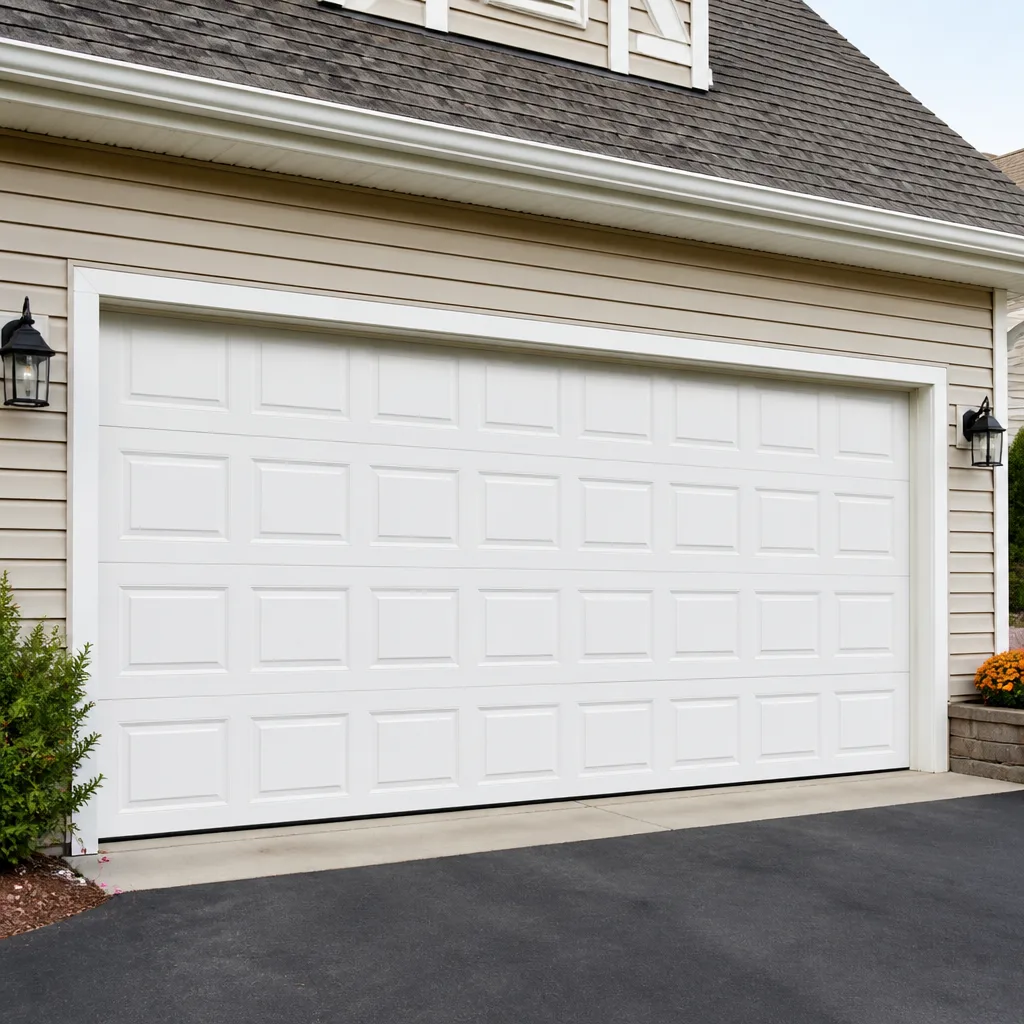 Raised-panel steel
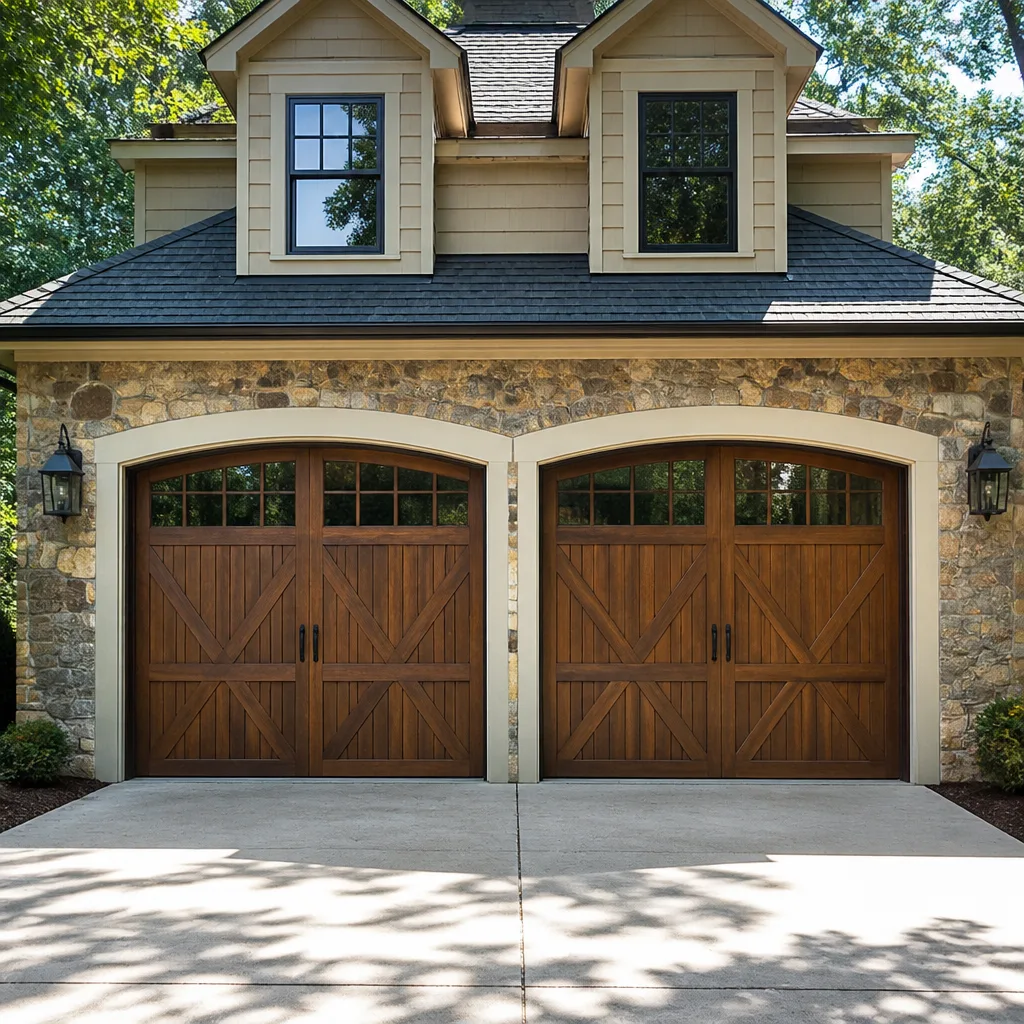 Carriage house
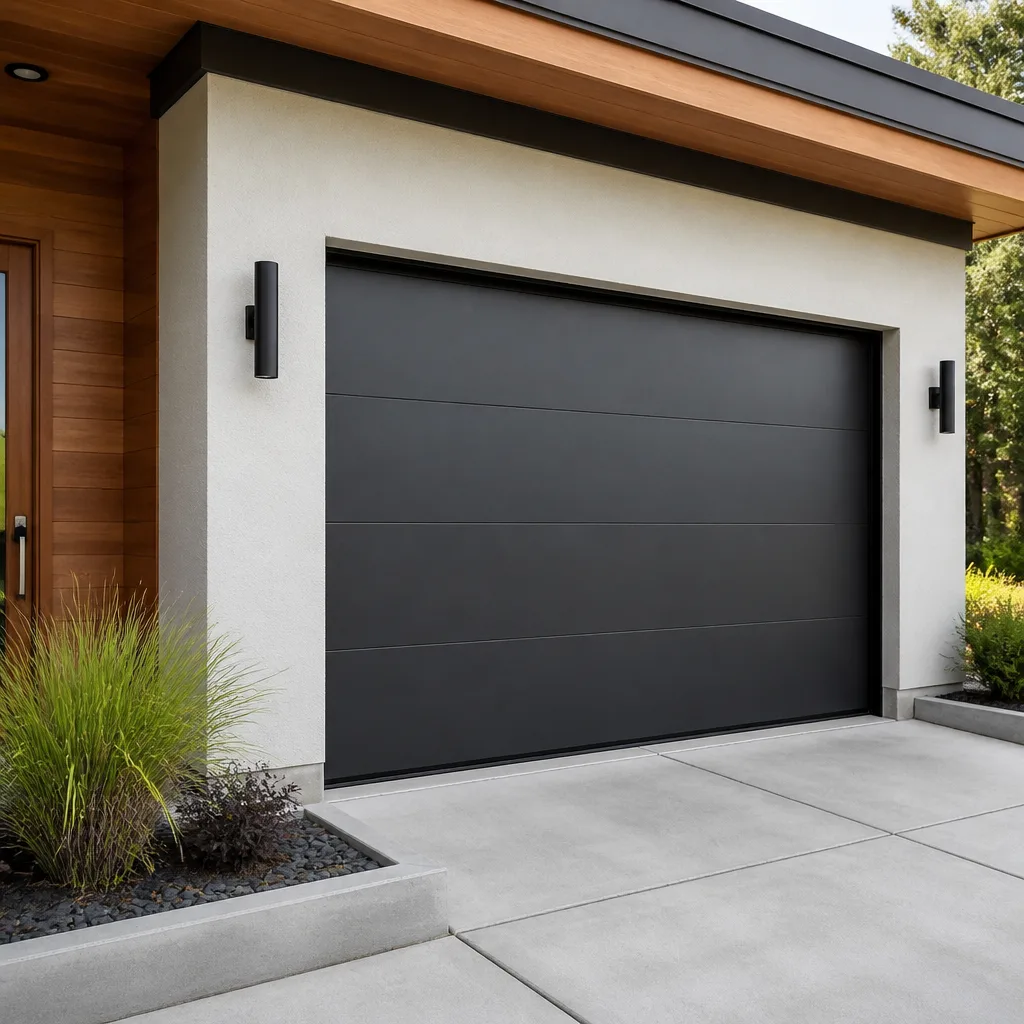 Modern flush
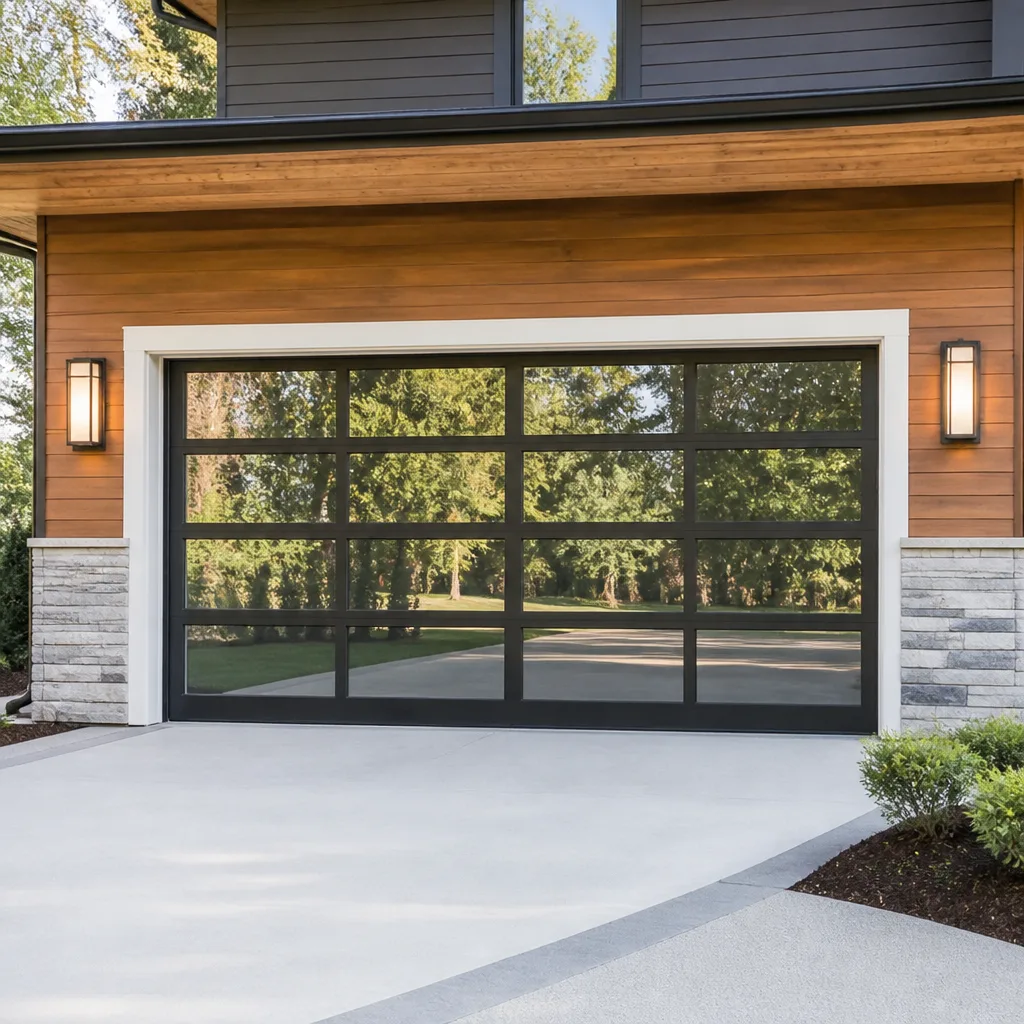 Full-view glass
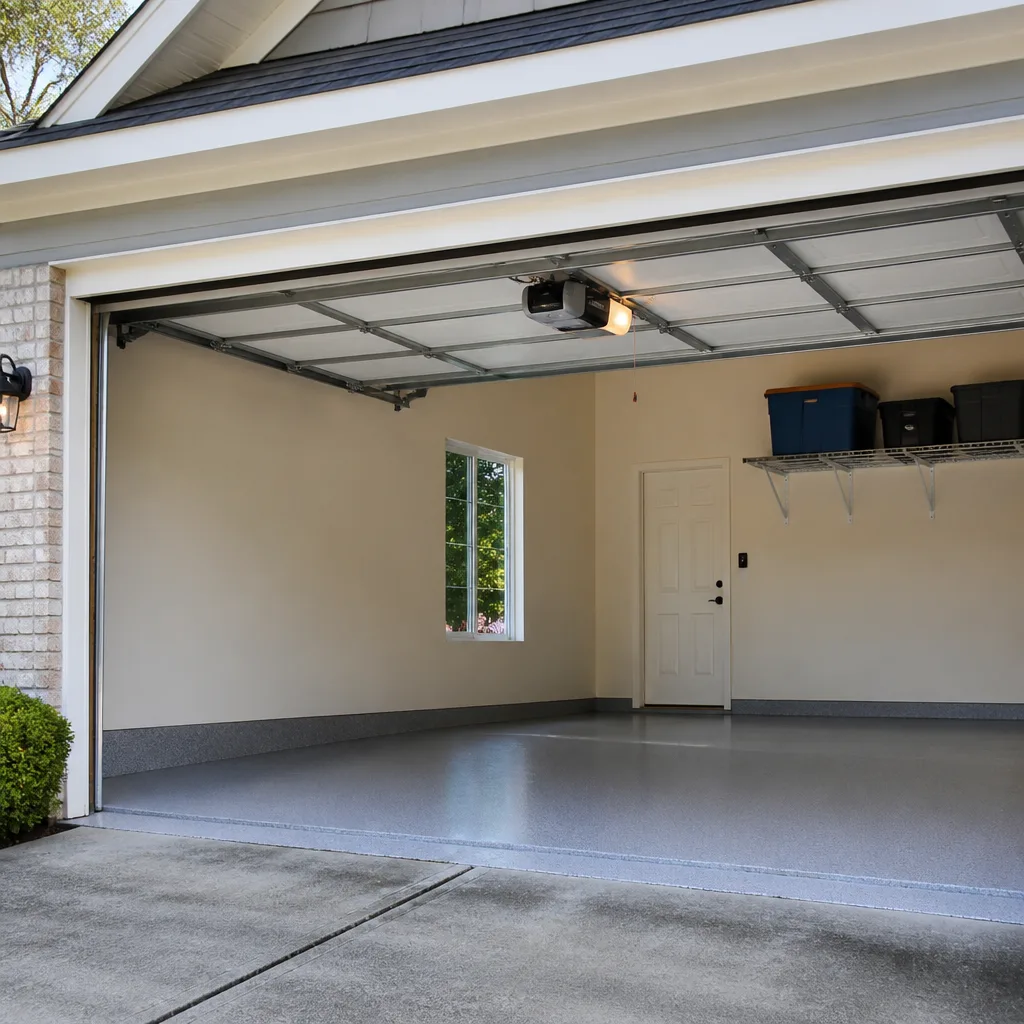 LiftMaster openers
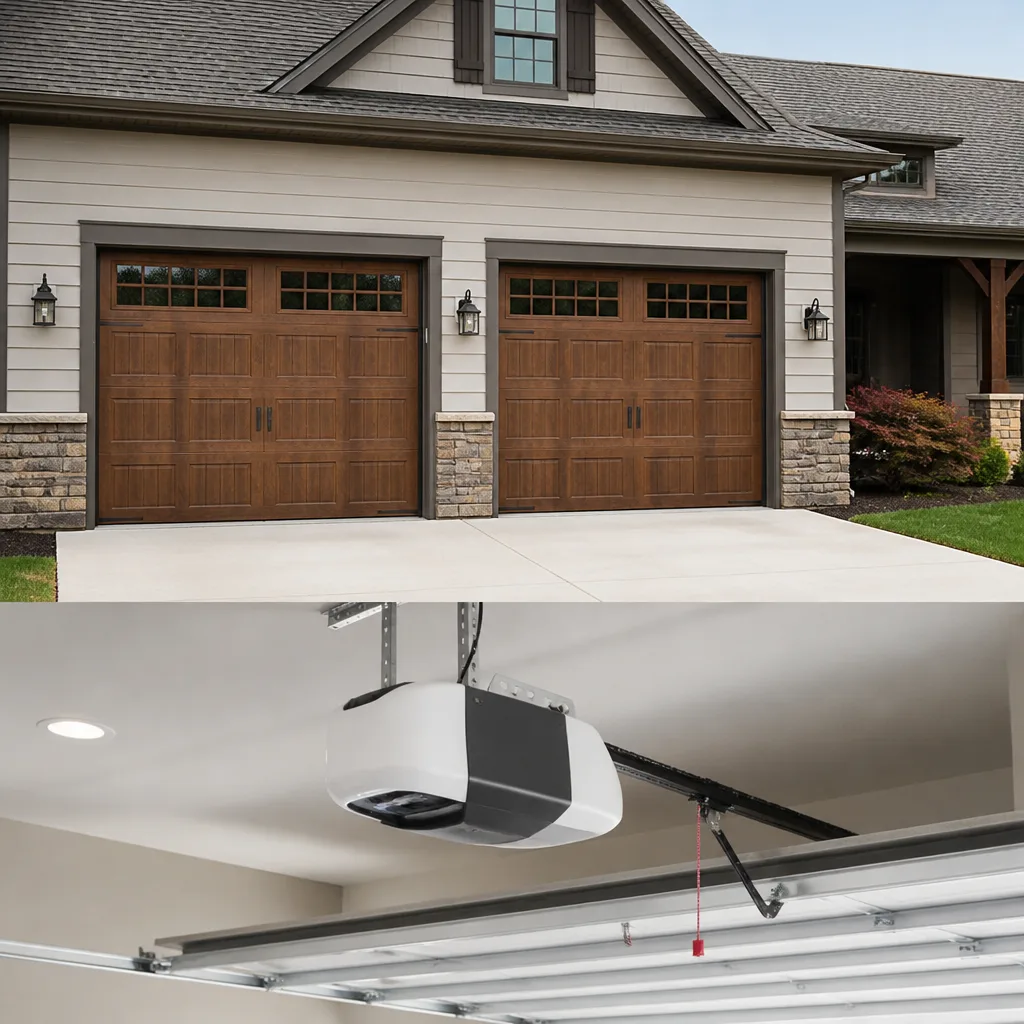 Chamberlain openers
Full 25-point door and opener safety check with every visit - springs, cables, rollers, tracks, and your LiftMaster or Chamberlain opener included
You get a price before we start. It does not change when the pro arrives.
Get your free estimateThe Complete Guide to Garage Doors in Grove City
Most “complete guides” to garage doors are written for a homeowner in a theoretical vacuum. They skip the part that matters: Grove City’s freeze-thaw cycles work on bottom seals, brackets, and concrete aprons in a pattern that a guide written for a mild climate won’t prepare you for. Clay-heavy soil and frost movement push against the slab under the door, and every spring thaw asks the door to realign with a floor that has shifted since last winter. This guide covers what actually happens to garage doors in Grove City: why 1990s subdivisions share predictable wear, how frost heave wears floor seals from below, which panel styles clear local HOA reviews, and how to tell a door that merely works from one that’s correctly balanced.
Quick Answer
A garage door in Grove City lasts longest when the springs, cables, and balance are maintained on a schedule set by Central Ohio’s freeze-thaw cycle, not by a national average. Frost heave in the clay soil moves driveways and slabs over the winter, so bottom seals and brackets take more stress here than in a mild climate. The homeowners who get the longest life out of a door pay attention to balance and alignment first and treat the opener as a convenience, not the thing that makes the door work.
Styles & brands we work with
- Raised-panel steel
- Carriage house
- Modern flush
- Full-view glass
- LiftMaster openers
- Chamberlain openers
Table of Contents
- How Grove City’s Freeze-Thaw Cycles and Clay Soil Wear Out Doors
- Door Styles That Clear Grove City-Area HOA Reviews
- Why 1990s Grove City Subdivisions Share Predictable Spring and Cable Wear
- Sizing a Replacement Door When the Garage Was Added Later
- “Works” vs. “Balanced”: What It Means for Your Opener
- Brands You’ll Find on Grove City Homes
- A Seasonal Checklist for Grove City Garage Doors
- What Garage Door Work Typically Costs in Grove City
How Grove City’s Freeze-Thaw Cycles and Clay Soil Wear Out Doors
The ground under a Grove City driveway goes through a real engineering cycle every winter. Clay soil holds water, water expands when it freezes, and the slab under the door gets pushed up. When it thaws, the slab settles back, but rarely to exactly the same height. That tiny annual movement is the reason a garage door that fit perfectly one October needs its bottom seal looked at by the following April. The door didn’t change; the floor did.
Frost heave hits a garage door in specific places:
- Bottom seals get pinched, torn, or pulled away from the aluminum retainer when the slab rises against the door. A seal that has lost its contact with the floor lets water, snowmelt, and cold air in all winter.
- Bottom brackets carry the tension of the whole cable system, and when they get knocked out of alignment by a rising slab, the cable wears unevenly and eventually frays.
- Vertical tracks can go slightly out of plumb as the slab moves, and a door that has to be pulled into position by the opener wears its hinges and rollers faster.
- The opener motor works harder every time the door drags or binds, and that extra load is what shortens its life.
What this means practically: in Grove City, treat the bottom of the door as a wear item you check twice a year, once before the first freeze and once after the last. A driveway apron with a visible crack or a step at the garage threshold is a sign the slab is moving, and it’s worth having the door’s alignment and balance checked before that movement turns into a bent track or a snapped cable. We handle that kind of diagnostic work on every visit, and it’s the same reason we’re careful about garage door repair calls after a hard winter: the part that failed is often not the part that caused the problem.
Door Styles That Clear Grove City-Area HOA Reviews
Grove City-area HOAs have a fairly consistent set of aesthetic expectations, and a door that ignores them can trigger a variance request that holds up a repair or replacement for weeks. The safe styles are the ones that look like the houses around them: raised-panel or carriage-house profiles in neutral paint colors, with panel configurations that echo the neighborhood’s dominant look. Doors that routinely need a variance conversation are the ones that change the visual character of a street: full-glass or heavily glazed modern panels, unusual geometry, and colors outside the earth-tone family.
When you’re choosing a door for a Grove City home, this is the sequence we recommend:
- Look at the three or four nearest homes on your block. Whatever style and color dominates is what your HOA’s design guidelines were written around.
- Ask your HOA for its written design guidelines before you pick a panel profile. Most Grove City-area associations keep an approved color and style list, and getting it in writing saves an argument later.
- Choose a brand that offers the profile on the approved list without a custom order. Clopay and Amarr both carry a wide range of raised-panel and carriage-house doors that fit common HOA templates.
- If you’re repairing rather than replacing, tell the HOA you’re matching the existing panel. A same-profile replacement panel from the same brand usually needs no review at all.
- Keep a photo of your door and a copy of the HOA approval on file. It makes the next repair simpler and settles any question about whether a change was approved.
The point isn’t to limit your choices. It’s to avoid discovering a mismatch after the door is ordered, when reversing course is expensive. We work with homeowners in Grove City all the time on the repair side of this, and the same brand knowledge that lets us match a Clopay or Amarr panel to what’s already on the house also helps when the HOA just wants the existing look restored.
Why 1990s Grove City Subdivisions Share Predictable Spring and Cable Wear
Homes across Grove City’s 1990s subdivision boom share more than a construction style. They share a specific set of spring and cable sizing choices that were standard for builders of that era, and it shows up in repair patterns that are remarkably consistent from street to street. A torsion spring on a 1990s single-car door was sized for a certain cycle count, and after decades of daily open and close most of those springs have already been replaced once and are due again, or they’re the originals and overdue.
What we look for on Grove City homes from that period:
- Spring sizing that matched the original door’s weight. If a replacement door or opener was ever installed with different weight, the springs may now be undersized and working harder than they were designed to.
- Cable wear at the drums. Older drum-and-cable setups need the cable checked at the wind every couple of years. Frayed strands are a sign the cable is at or past its safe life.
- Opener units from the same era. A Craftsman opener from the 1990s that still works is fine, but its limit and force settings were tuned for the original balance and rarely get recalibrated. When the door drifts out of balance, the motor absorbs the difference.
This is where a specialist matters. Spring and cable work on a door of this age is the single most hazardous maintenance task on a home, because a torsion spring stores enough energy to cause serious injury if it’s released incorrectly. If your door has an original 1990s spring, don’t try to inspect it yourself. Call us and we’ll diagnose and garage door spring repair is exactly the work we’re set up for, with the correct wire gauge and coil count for the door’s weight. Our technicians have up to 10 years of experience with this exact generation of doors, and we recognize the sizing patterns from these subdivisions on sight.
Sizing a Replacement Door When the Garage Was Added Later
A frequent mismatch in older Grove City neighborhoods: the garage was added to a house after it was built, sometimes decades later, and the opening was framed to fit the cars of the day rather than a standard door size. That means the door on the house may not match any catalog dimension, and a replacement ordered from a standard chart will be wrong. Getting the size right is easier than it sounds if you measure the right things.
How to size a replacement door correctly:
- Measure the width and height of the finished opening, not the rough frame. Take width at the widest point and height at three locations (left, center, right), because a hand-framed opening is rarely perfectly square.
- Measure the side clearance to the nearest wall or obstruction. The door and its tracks need room to move without rubbing.
- Measure the headroom above the opening. A typical torsion setup needs enough room for the spring assembly; low-headroom and high-lift layouts use different hardware.
- Check the backroom, the horizontal distance from the opening to the farthest point the door travels back into the garage. It has to clear any vehicle or storage in the way.
- Write everything down and take photos of the opening, the tracks, and the existing springs. A specialist can order the right door from those notes without a second visit.
Doors from Wayne Dalton or Clopay in a custom or near-custom size are available but take longer to arrive than a standard door, so measure first and order once. If your garage was added on and you’re not sure what you’re working with, call us. Free measure and a written price is the way we start every replacement conversation, and getting the measurement right the first time is what prevents a return trip and a second wait.
“Works” vs. “Balanced”: What It Means for Your Opener
A garage door that opens and closes is not necessarily a garage door that’s balanced, and the difference determines how long your opener motor lasts. Balance is the property of the door and its spring system doing almost all the lifting, so the motor only guides the door and overcomes friction. An unbalanced door leans on the opener for help it wasn’t designed to give, and every lift you make that way wears the motor a little faster.
You can check balance without touching the springs:
- Disconnect the opener using the release handle, with the door fully closed.
- Lift the door by hand to about waist height, then let it go.
- A balanced door either stays put or drifts gently. A door that drops quickly, or that feels heavy as you lift it, is out of balance and the springs need looking at.
That’s the safe version of the test. What you should never do is adjust the springs yourself. Torsion springs store an enormous amount of energy, and the safest and most common recommendation from anyone who works on them is: don’t. If the door fails the balance test, call us and we’ll diagnose it and quote any repair, including garage door opener repair if the motor has already taken the strain. A correctly balanced door lets a 10-year-old opener run for years more; an unbalanced door can burn through a motor in a fraction of that time.
Brands You’ll Find on Grove City Homes
Grove City homes carry a mix of brands, and the honest answer to “can you work on mine?” is usually yes. We service the eight brands that show up most in residential homes, including Clopay and Amarr on the door side, Wayne Dalton on both door and opener side, and Craftsman for the many homes still running a legacy opener that has never needed replacing. LiftMaster, Chamberlain, Genie, and Raynor are the others we handle, so whether you have a modern Wi-Fi opener or an older unit that’s been on the house since it was built, the parts and the know-how are already in place.
Why brand matters more than most homeowners expect:
- Spring and cable sizing is door-specific. A door from one brand can have a different weight and drum geometry than a door the same size from another, so the replacement spring has to match the actual door.
- Opener parts aren’t universal. A Craftsman logic board and a LiftMaster logic board are not interchangeable, and matching the correct part the first time is the difference between a one-visit repair and a return trip.
- Smart-home setups behave differently. Wi-Fi and smart-app openers from LiftMaster, Chamberlain, and Genie have different pairing and firmware behaviors that affect diagnosis when a door “won’t respond.”
We work on your brand, whatever it is. That focus is what lets us diagnose a door we’ve never seen before quickly, because the failure patterns are the same across the eight brands we service.
A Seasonal Checklist for Grove City Garage Doors
Two check-ins a year, timed to Grove City’s seasons, does more for door life than any single repair. Run the spring checklist in October before the first hard freeze, and the thaw checklist in April once the ground has settled.
October checklist (before the freeze):
- Look at the bottom seal along its whole length. Any gap, tear, or flattened section means cold air and snowmelt will get in all winter.
- Check the driveway apron at the threshold for new cracks or a step. If the slab has moved, the door’s alignment will drift with it.
- Test the balance using the release-handle method above, and note any change from the spring.
- Lubricate the rollers, hinges, and tracks with a garage-door lubricant, not a general-purpose oil that attracts dirt.
- Test the safety reverse by placing an object in the door’s path and confirming it reverses. This is the single most important safety check on the door.
April checklist (after the thaw):
- Re-check the bottom seal for new wear from the spring slab movement.
- Look for frayed cable at the drums, and for any cable that has jumped its track.
- Listen for a door that’s louder than it was last fall. A new rattle or grind is usually a worn roller or a hinge that’s loosened.
- Check that the opener’s safety reverse still works after a winter of use.
- Have the springs and cables inspected if the door is more than a few years old or the balance test has started to fail.
None of this is meant to replace a professional inspection, and none of it involves you touching the springs. It’s the safe, routine side of door care.
What Garage Door Work Typically Costs in Grove City
Costs in Grove City track with the wider Central Ohio market, and the biggest driver is which part of the door failed. A single tired roller or a rubber bottom seal is minor. A spring, cable, or opener motor is a bigger job with a bigger range. Here’s what typical work looks like in this market:
| Job | Typical Estimated Range |
|---|---|
| Replacing one torsion spring | $180 – $340 |
| Replacing a matched pair of springs | $360 – $680 |
| Replacing a frayed cable | $110 – $220 |
| Replacing the bottom seal | $80 – $180 |
| Roller and hinge replacement | $90 – $200 |
| Opener repair (motor, logic board, or sensor) | $180 – $420 |
| Safety reverse and balance adjustment | $90 – $180 |
Two things to know about these numbers. First, they’re estimates, and the written quote you get on site is the price you’ll pay. Second, springs are almost always replaced as a matched pair. A price for one spring covers one spring; when a technician quotes a single spring’s worth of work, the pair is roughly double. The written estimate sets the final price, and we quote and agree it before any work starts.
Free estimates, and we’ll tell you what the door actually needs rather than what’s easiest to sell. Call (855) 605-4061 for an exact quote. Estimates are free.
Common Mistakes to Avoid
- Treating the opener as the cause of every problem. When a door won’t close, the motor is the first suspect and the last thing that’s usually wrong. A binding door, a failing spring, or an obstructed sensor is more common, and replacing the opener first is money spent on the wrong part.
- Ignoring the bottom seal through the winter. In Grove City’s freeze-thaw, an unaddressed seal lets water against the slab, freezes, and pulls the bracket and track out of alignment by spring. A small seal repair in fall prevents a larger alignment job later.
- Adjusting springs yourself. This is the mistake that matters most. Torsion springs store enough energy to cause serious injury, and no written guide on the internet makes the adjustment safe for a homeowner.
- Skipping the balance check after a new opener install. A new motor working against an unbalanced door will fail early, and the install is the moment to confirm the door is balanced first.
- Ordering a replacement door without measuring the opening. A garage that was added after the original home was built may not be a standard size. Measure the finished opening and backroom before ordering, not after.
- Buying a panel style the HOA hasn’t approved. An unapproved style can trigger a variance review, and most Grove City-area HOAs have a written list you can check in advance for free.
- Letting a known frayed cable sit. A cable that’s failing at the drum can fail entirely, and when it does the door drops unevenly and can’t be operated safely until it’s replaced.
See the difference
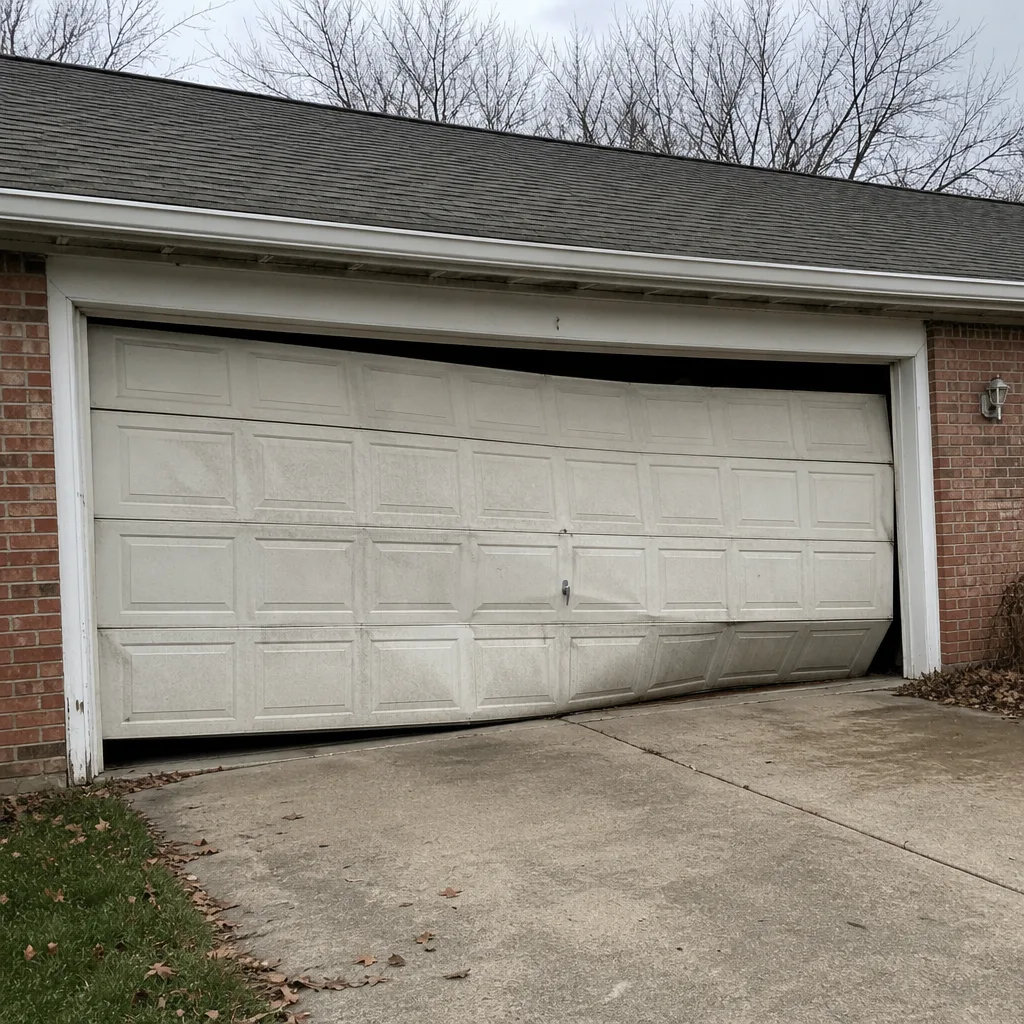 Before
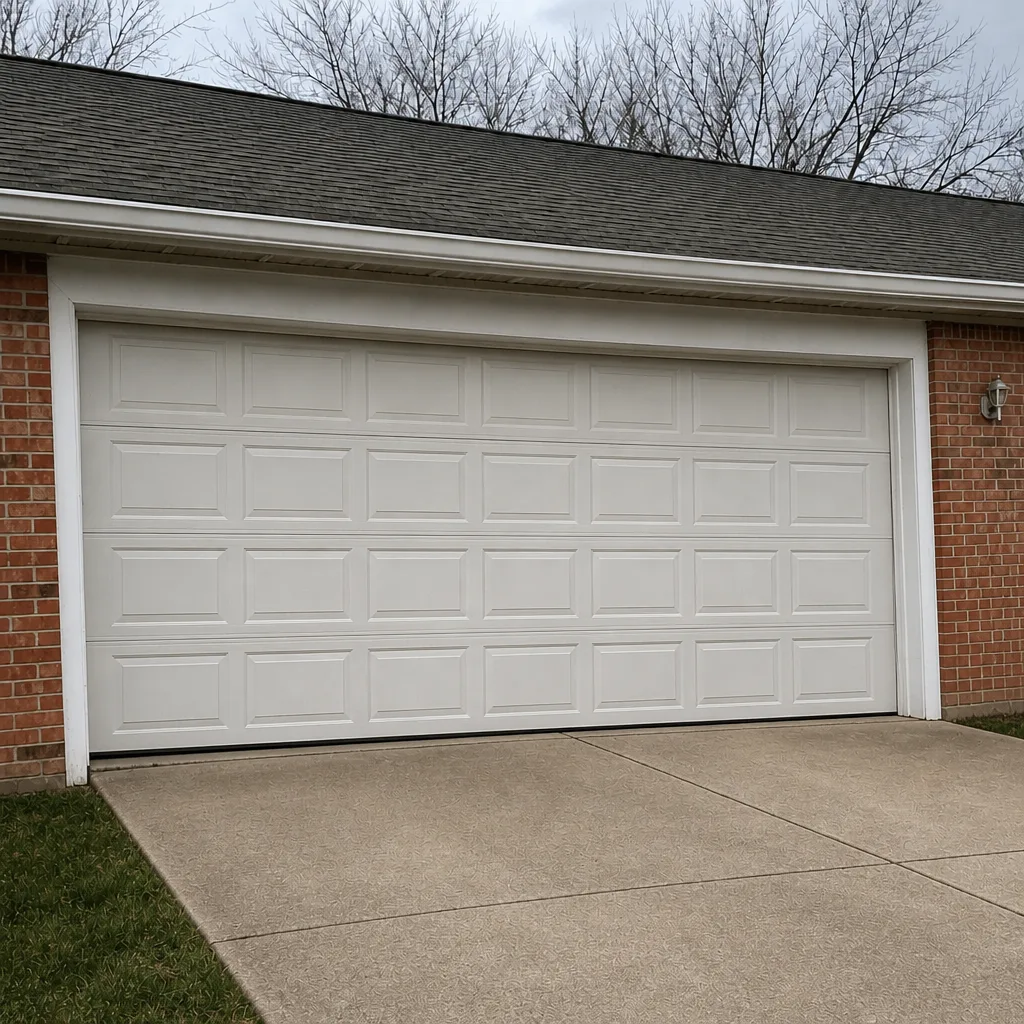 After
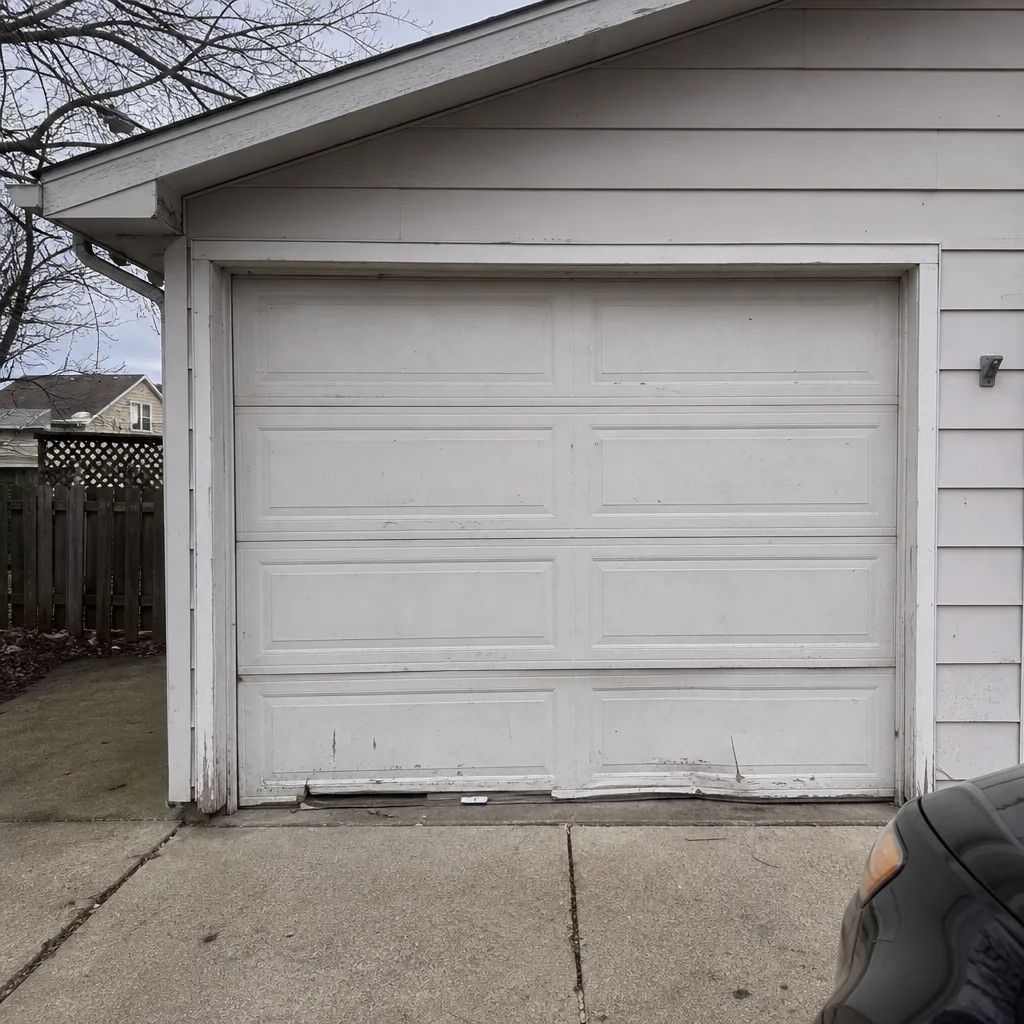 Before
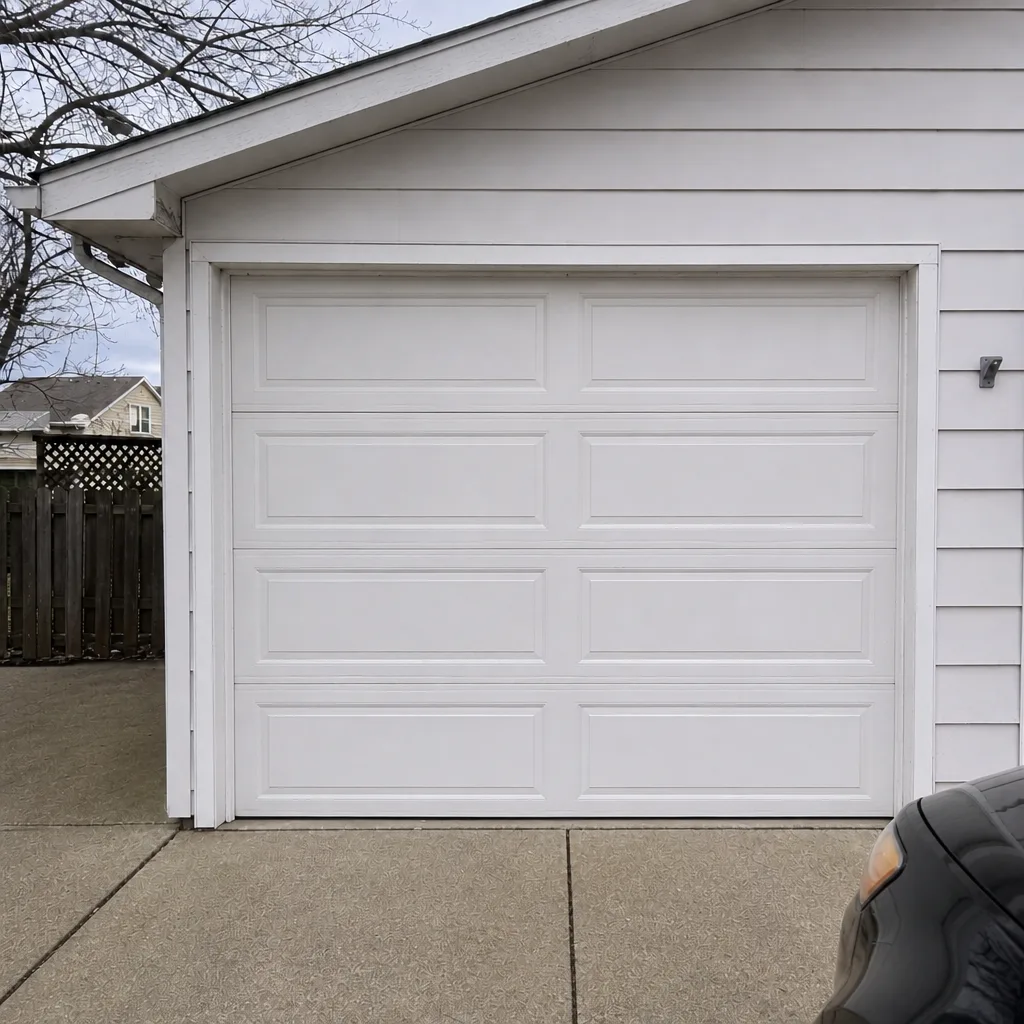 After
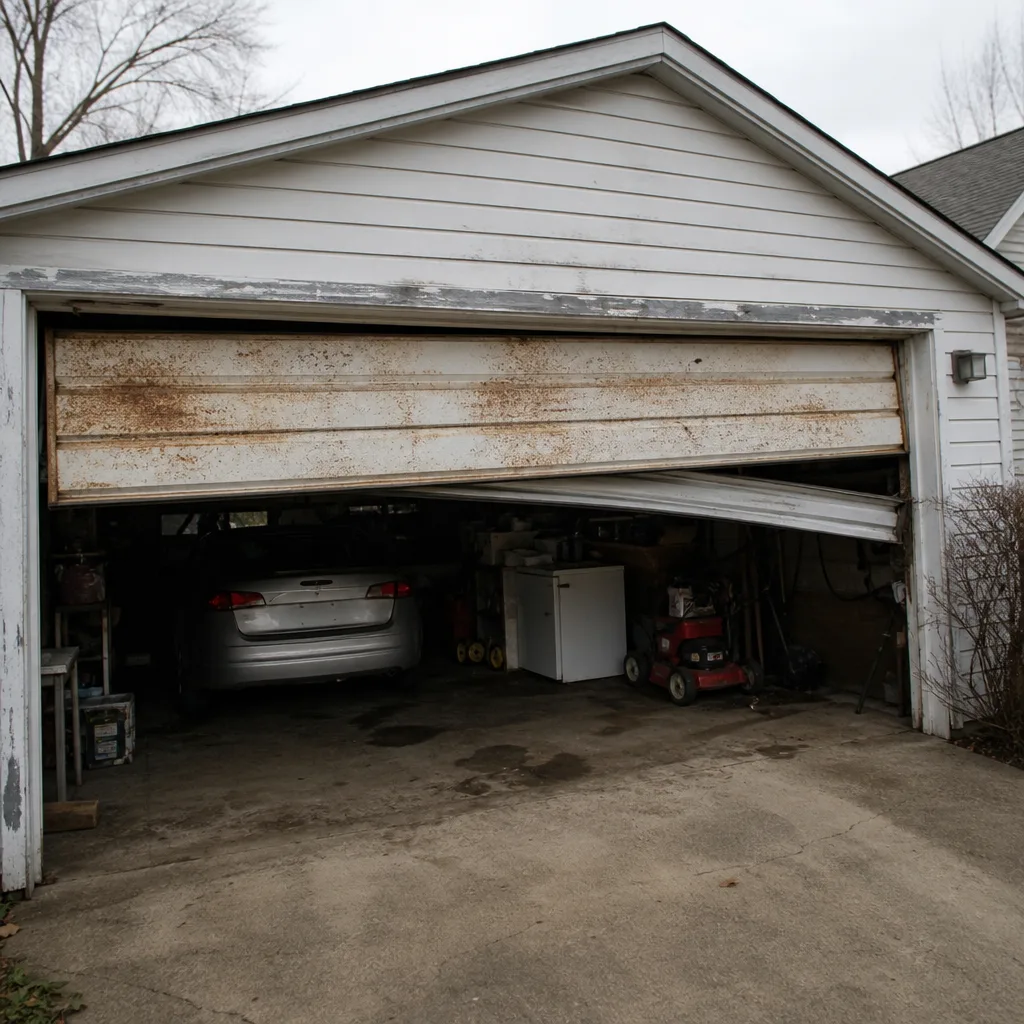 Before
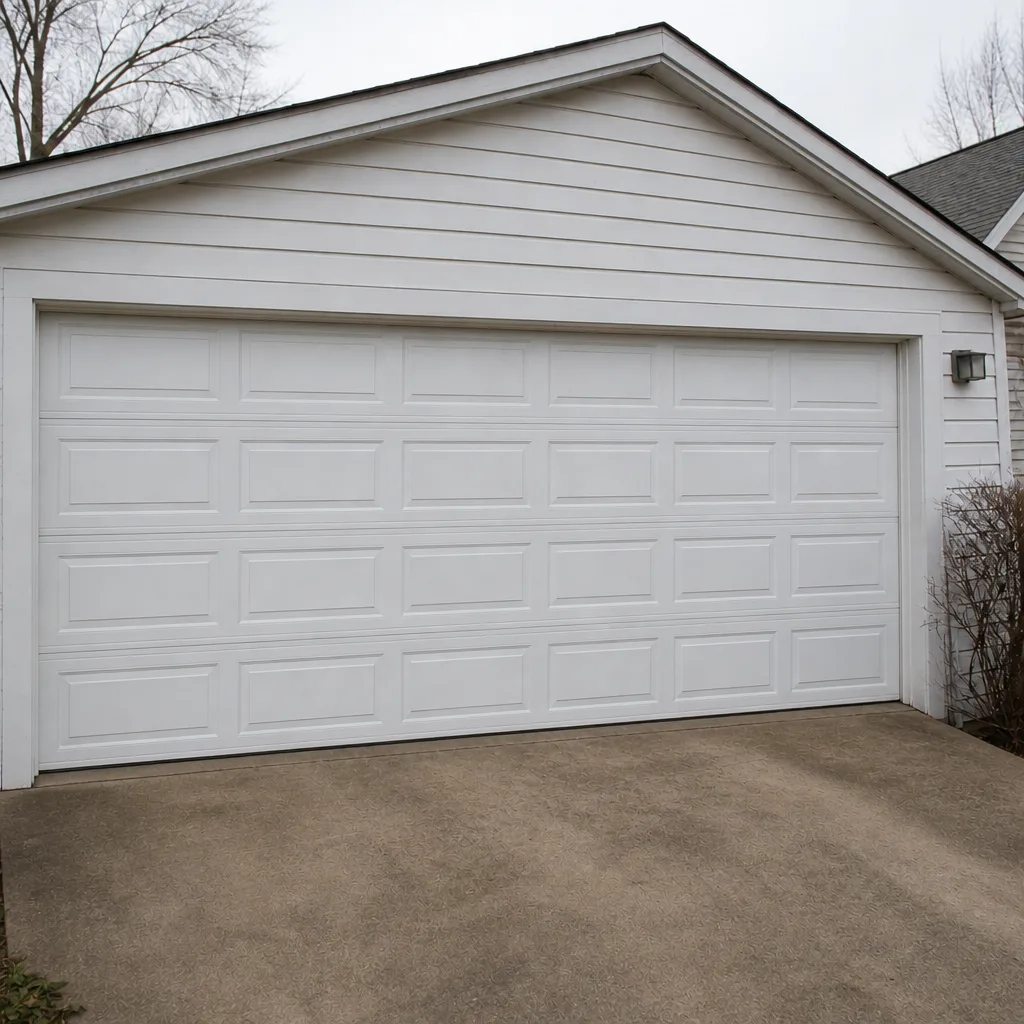 After
When to Call a Professional
Some problems can wait a day or two. Others can’t, and one category is simply not a homeowner job. Call us when the door fails the balance test, when you see a frayed or jumped cable, when the spring has visibly broken (a gap in the coil or a door that suddenly won’t lift), when the door is off its tracks or sitting at an angle, or when the opener runs but the door doesn’t move. Also call if the door is more than a few years old and hasn’t had a spring and cable inspection, or if the bottom seal is letting water in despite a recent replacement. Spring work, cable work, and a door off its tracks are the ones where the safest and quickest move is to stop using it and get a specialist out. Garage Door Repair Grove City offers free estimates in Grove City. Call (855) 605-4061.
Frequently Asked Questions
Replacing one torsion spring in Grove City typically costs $180 – $340, and a matched pair typically costs $360 – $680. Springs are nearly always replaced as a pair because they wear together, so expect the pair price on most jobs. The written estimate sets the final price, and we quote it before any work starts. Call (855) 605-4061 for an exact quote. Estimates are free.
Yes, in many cases. Broken springs and doors off their tracks are the calls we prioritize for same-day service, and if the door won’t move, the safest thing is to stop operating it and call us. We answer 24/7. Fast dispatch from 7am to 7pm, Sunday through Friday.
No. The written estimate we give you before any work starts is the price you pay. Diagnostic findings can change the plan if something unexpected turns up, but we won’t start new work without telling you the new price first. Call (855) 605-4061 for an exact quote. Estimates are free.
The local pros we connect you with are state-licensed and insured as their state requires. We verify credentials before connecting homeowners with a technician, so the person who shows up is accountable and covered. Call (855) 605-4061 for a free estimate.
Almost certainly. We service LiftMaster, Chamberlain, Genie, Craftmaster, Clopay, Amarr, Wayne Dalton, and Raynor equipment, from modern Wi-Fi units to older Craftsman openers. Whether it’s a LiftMaster Wi-Fi opener or a two-decade-old Craftsman, we’ve got the parts and the know-how. Call (855) 605-4061 to book a free estimate.
Because of the freeze-thaw cycle. In Grove City, the clay soil under the driveway expands and contracts every year, and the slab pushes against the door’s bottom seal and brackets. Most homeowners notice problems in late fall or early spring, right when the ground is moving. A balance and alignment check before the first freeze prevents most of it. Call (855) 605-4061 for a free estimate.
The Bottom Line
Grove City garage doors have a specific set of wear patterns that a nationally average guide won’t prepare you for. The clay-heavy soil and freeze-thaw cycle make bottom seals and brackets wear faster than in a mild climate. The 1990s subdivisions share predictable spring and cable wear. HOA design guidelines are specific enough to be worth checking before you choose a panel, and an added-on garage may need a custom-size door. The one rule that overrides all of this: keep your hands off the springs, and call a specialist when the balance test fails or a cable frays. Everything else is routine care, and routine care is what makes a door last. Written by the team at Garage Door Repair Grove City.
Contact Us for a Free Estimate
If your door has failed the balance test, is letting cold air or water in at the bottom, needs a spring, cable, or opener repair, or you’re ready to plan a replacement door that matches your HOA’s guidelines and your garage’s actual opening, we’re ready to look. Our technicians have up to 10 years of experience across the eight brands that show up most in Grove City homes. The estimate is free and the price is quoted and agreed before any work begins. Call (855) 605-4061 for a free estimate. We answer 24/7. Fast dispatch from 7am to 7pm, Sunday through Friday. If your door fails on a Saturday and you reach out, we’ll book you for Sunday. There’s a related guide to Garage Door Repair Grove City if you want the broader repair picture, and once a technician has looked at the door, we’ll confirm what it needs and what it costs.
Written by the team at Garage Door Repair Grove City.