
Last updated November 20, 2026
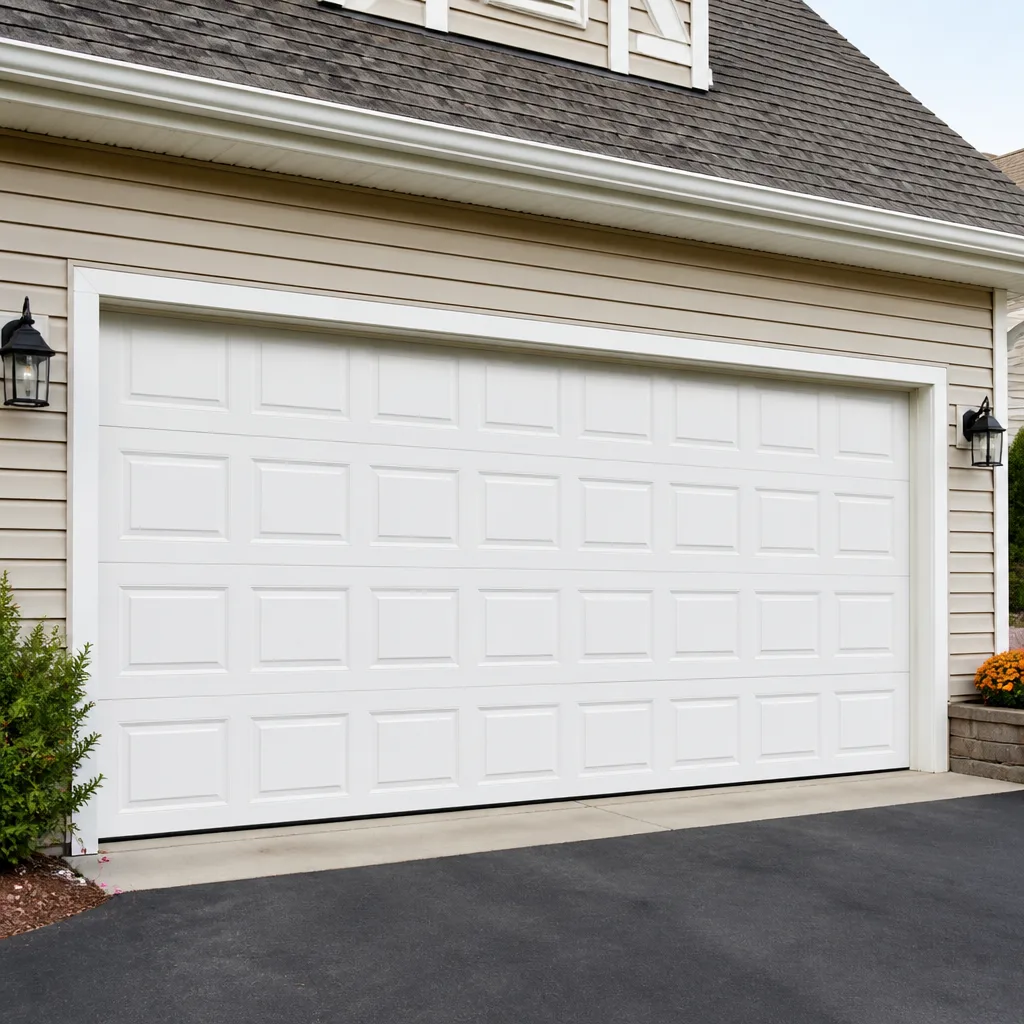 Raised-panel steel
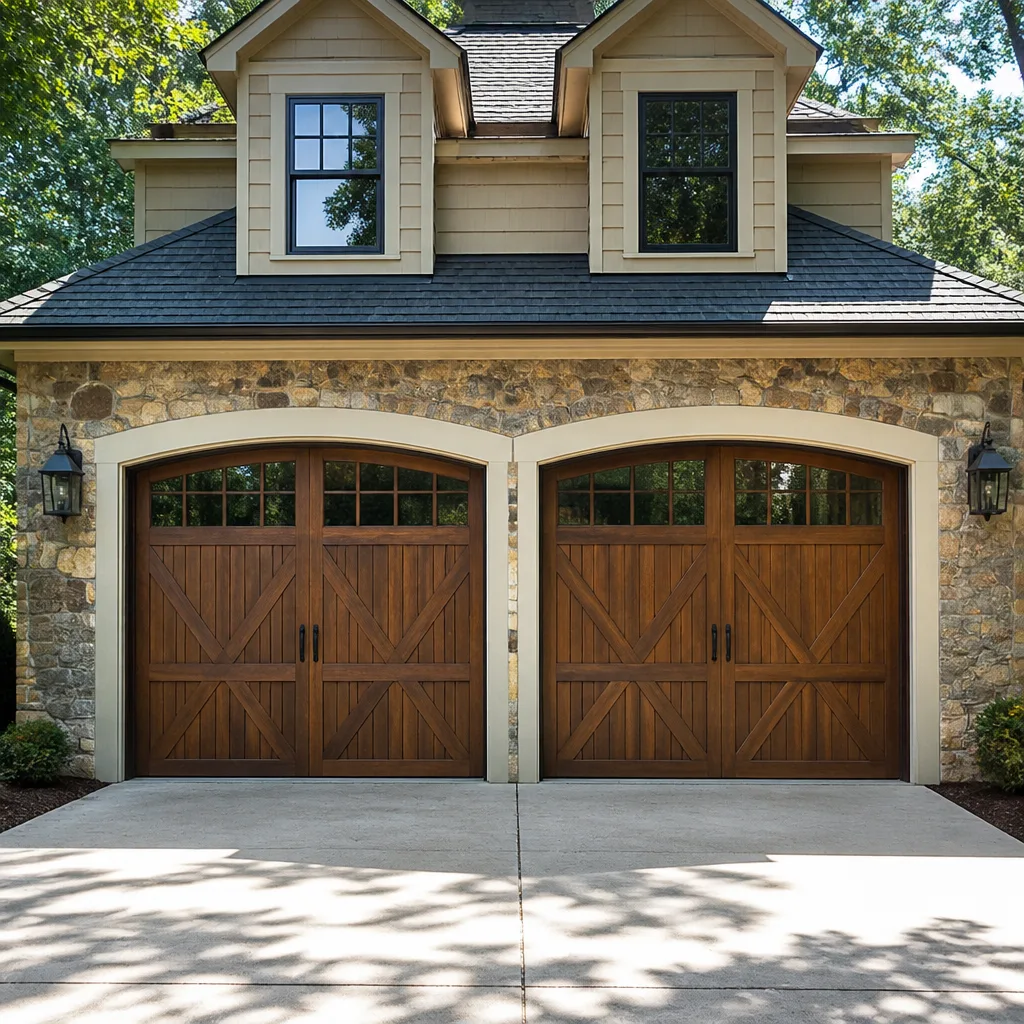 Carriage house
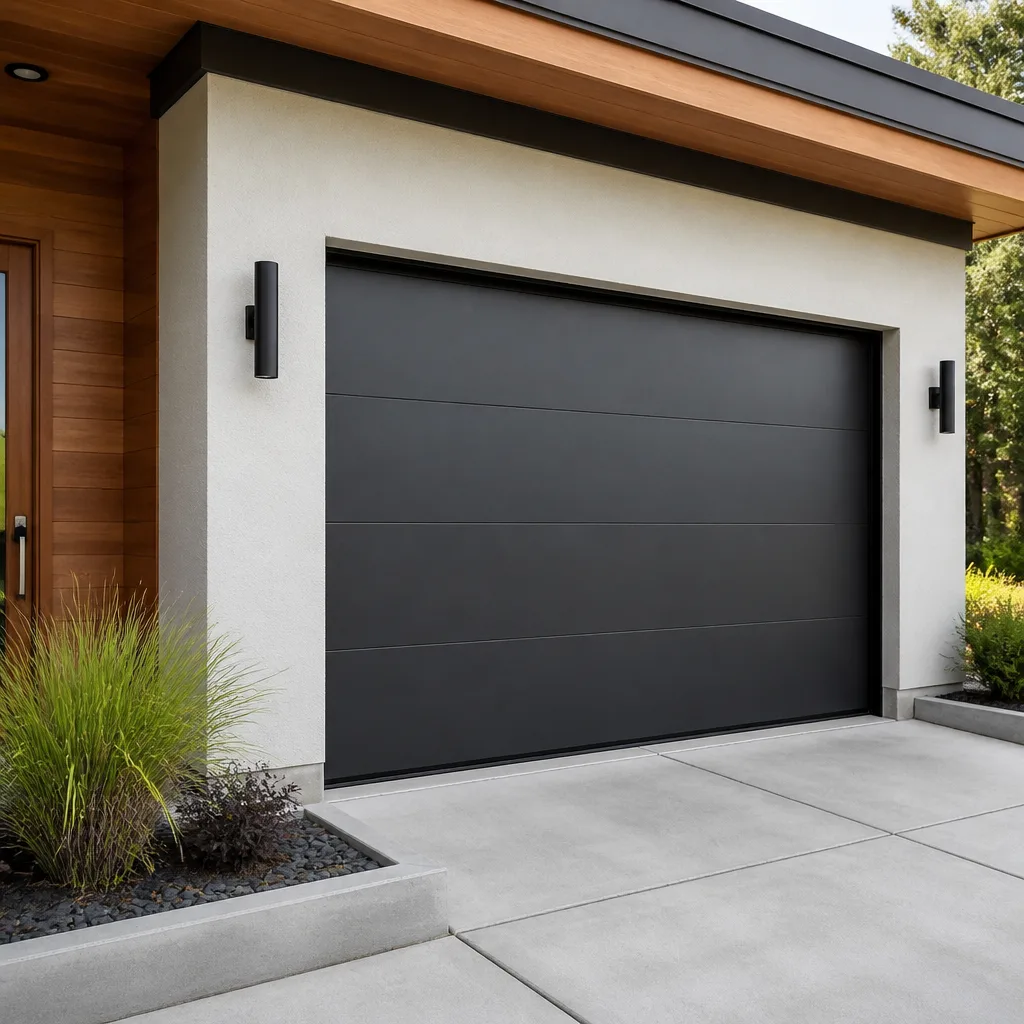 Modern flush
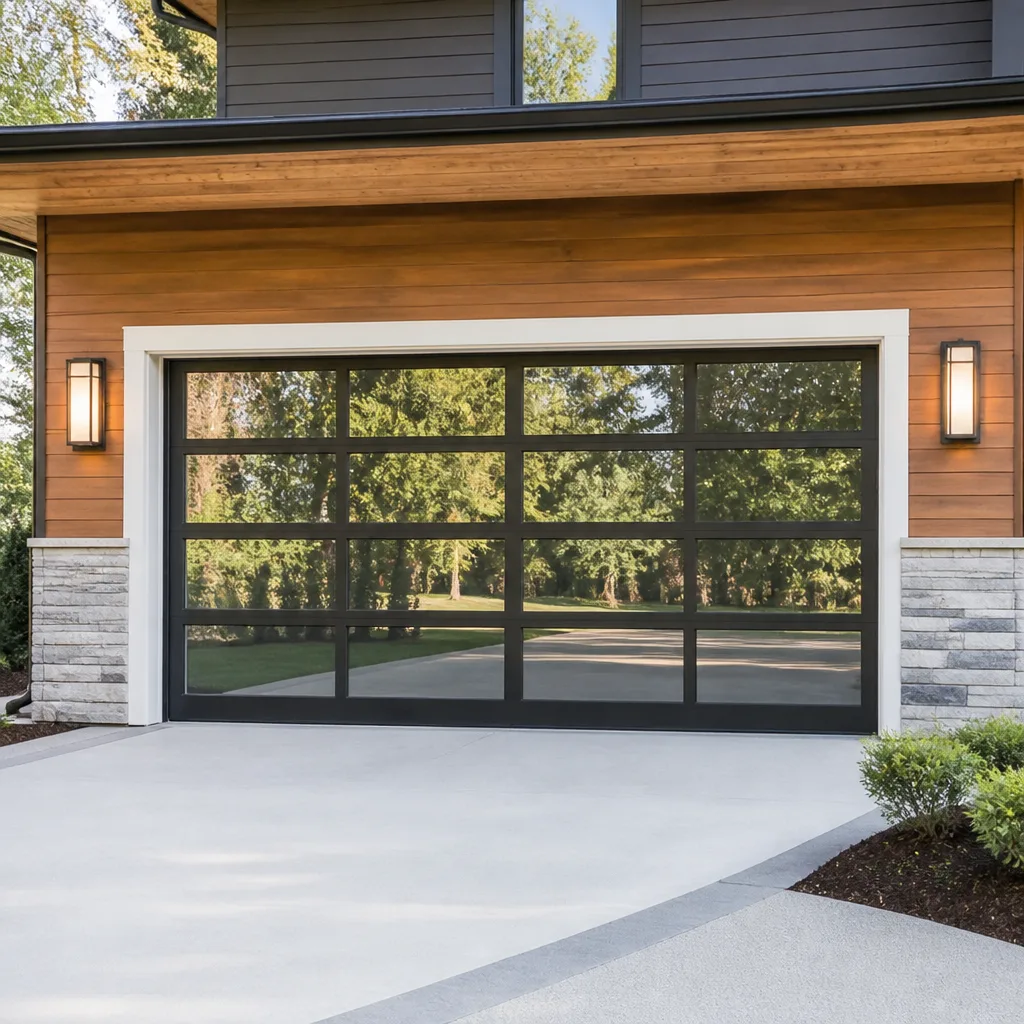 Full-view glass
 LiftMaster openers
 Chamberlain openers
Full 25-point door and opener safety check with every visit - springs, cables, rollers, tracks, and your LiftMaster or Chamberlain opener included
You get a price before we start. It does not change when the pro arrives.
Get your free estimateGarage Door Warning Signs: A Grove City Homeowner’s Reference Guide
A door that takes two seconds longer to open than it did six months ago isn’t “getting old.” It’s telling you that spring tension is off by a measurable amount, and that number is trending toward a snap, not a slowdown. Most garage door failures that leave a car trapped or a family stranded gave visible warnings for weeks beforehand. The trouble is that homeowners don’t know which sounds, movements and visual cues are cosmetic and which are structural countdowns. This guide teaches you to read your door the way a technician does: what each symptom means, how urgent it actually is, and what to do next. Keep it handy if you live in Grove City, where daily temperature swings put real stress on door hardware.
Quick Answer
The most serious garage door warning signs are a door that reverses before reaching the floor, visible cable fraying, a door that won’t stay up when you lift it halfway by hand, and a loud bang followed by a door that won’t open. These point to spring, cable or opener problems that need a professional before the door is used again. Slower opening, minor grinding and small panel dents are usually earlier, less urgent signals that still deserve a look. Any door that has lost its ability to balance is a call-today situation, not a wait-and-see.
Styles & brands we work with
- Raised-panel steel
- Carriage house
- Modern flush
- Full-view glass
- LiftMaster openers
- Chamberlain openers
Table of Contents
- How to Read Your Garage Door Like a Technician
- What Your Garage Door’s Noises Are Telling You
- Why Your Door Reverses Before It Hits the Ground
- Cable Fraying: What It Looks Like at Each Stage
- Cosmetic vs. Structural Panel Damage
- The Monthly Manual-Release Test
- Spring Health: The Signs That Matter Most
- Opener Warning Signs Most Homeowners Miss
How to Read Your Garage Door Like a Technician
When a technician walks up to a garage door in Grove City, the first thirty seconds aren’t spent touching anything. They’re spent watching and listening. A trained eye reads the door as a system: springs, cables, rollers, tracks, panels and the opener all working in tension with each other. When one part drifts out of spec, the others compensate until they can’t.
Here’s the framework we use, and you can use it too:
- Watch the full cycle. Open and close the door once without stopping it. Watch for hesitation, jerking, wobble, and whether the door moves in a straight line or drifts to one side.
- Listen without talking. Stand still for the full cycle. Note every sound and where it comes from: high (springs, opener), middle (rollers, hinges), low (bottom bracket, floor).
- Check the balance by hand. Disconnect the opener (pull the red release cord when the door is fully closed) and lift the door halfway. Let go. It should hold roughly where you left it.
- Inspect the visible hardware. Look at the cables along each side, the rollers in the tracks, and the springs above the door.
Most failures we see in Grove City show up in at least one of these four checks weeks before the door actually stops working. The pattern matters more than any single symptom. A door that grinds a little and holds its balance is a routine service visit. A door that grinds, wobbles and won’t hold halfway is a stop-using-it-now call.
If any of the four checks turns up something you can’t explain, our Garage Door Repair Grove City team can walk through it with you. Garage doors are all we do, which means the diagnosis is fast and the fix usually happens in the same visit.
What Your Garage Door’s Noises Are Telling You
Grinding is the single most misunderstood garage door sound. The same rough scraping noise can come from three completely different places, and each one carries a different urgency. Learning to tell them apart saves you from either panicking over a routine lube-and-adjust or ignoring something that’s about to break.
Grinding from the rollers and tracks
If the sound is coming from the sides of the door and it’s worst when the door first starts moving, the rollers are the likely culprit. Steel rollers with worn bearings, rollers that have lost their lubrication, or a track that’s slightly bent will all produce a low grinding or scraping. This is a maintenance issue. It’s not urgent, but it wears the door faster and it’s easy to fix before it becomes something else.
Grinding or crunching from the opener head
If the sound is coming from the opener unit mounted on the ceiling, that’s a different animal. A grinding opener usually means the gear assembly inside the motor housing is stripping. On older units with plastic gears (common in legacy Craftsman and Genie models), this is a known wear pattern. The opener is still trying to lift the door, but it’s chewing through its own internals to do it. This is a same-week repair, not a today emergency, but it should not be ignored. Left alone, the opener will eventually stop lifting the door entirely, and the door may become stuck in the open position.
Other sounds worth knowing
- A single loud bang. Usually a torsion spring snapping. The door will feel very heavy or won’t lift at all. Stop using it and call a professional.
- A rhythmic clicking or popping. Usually a roller or hinge that’s coming loose. Not urgent, but worth an inspection.
- A high-pitched squeal. Friction from dry rollers, hinges or the torsion tube. A lubrication and inspection visit addresses it.
- A rattle that gets worse over months. Loose fasteners or a track pulling away from the wall. Worth a look before it gets worse.
If you’re not sure which one you’re hearing, describe it to us when you call. garage door opener repair is one of our three core services, and we work on LiftMaster, Chamberlain and Genie units as well as older Craftsman systems, so we can usually narrow down the source over the phone. If the noise is coming from the door itself, our team in Grove City will take a look in person.
Why Your Door Reverses Before It Hits the Ground
A door that goes down, then reverses and goes back up is one of the most common calls we get. Most homeowners assume it’s a bad safety sensor, and sometimes they’re right. But diagnosing a reversing door as “sensor problem” before ruling out anything else is how small issues become bigger, more expensive ones.
The sensor explanation (the common one)
Garage door openers since the early 1990s have had a safety reverse system: a pair of photo-eye sensors mounted near the floor on each side of the door. If anything breaks the beam between them, the door reverses. Common causes include:
- Sunlight hitting one sensor directly, which most sensors can’t read through
- Spider webs, dust, or debris on the sensor lens
- A sensor knocked out of alignment (even a small bump from a bicycle or a lawn tool)
- A loose wire behind the sensor
Cleaning the lenses and checking alignment takes two minutes. If that fixes it, great.
The explanations most homeowners miss
If the sensors look clean and aligned and the door still reverses, the problem is almost certainly not the sensors. It could be:
- Spring tension has drifted. When tension is off, the door moves unevenly and the opener’s force sensor reads that as an obstruction. The door reverses not because something is in the way, but because the opener thinks it is.
- A track is out of alignment. A bent or dirty track creates resistance that the opener interprets as a safety event.
- A roller is binding. One bad roller can drag the door enough to trigger a reverse.
- The force limit needs adjustment. Some openers drift out of spec over time. This is a professional adjustment, not a homeowner one, because setting it wrong removes a safety feature.
- The logic board is failing. On older units, the control board can start sending false reverse signals. This is an opener problem, not a door problem.
In our experience across Grove City, maybe half of the reversing-door calls turn out to be sensor alignment. The other half are mechanical or opener-side issues that a homeowner can’t safely diagnose alone. If your door reverses after a sensor cleaning, the next step is a professional look.
Cable Fraying: What It Looks Like at Each Stage
The two lift cables run along the sides of your door, wound on drums at the top corners. They carry the full weight of the door every time it moves. A cable that’s starting to fail gives you visible warning signs, but the stages matter enormously for how urgent the repair is.
Stage 1: Surface wear (routine)
You see minor flattening, light scuffing, or small “hairs” along the cable where it passes over the drum or the idler pulley. The cable is still structurally sound. This is the stage where a service visit can lubricate or replace a pulley and stop the wear from progressing. It’s not urgent, but it’s the best time to address it.
Stage 2: Visible separation (same-week repair)
You see individual strands separating from the main cable, or a section where the braid looks visibly thinner than the rest. The cable is now compromised. It’s still holding, but not for long. This is a same-week repair. Don’t wait, and definitely don’t operate the door more than necessary.
Stage 3: Broken or unwound (today repair)
The cable is snapped, hanging loose, or visibly unwound from the drum. A broken cable means the door is being held up by only one side of the lift system, or by nothing at all. If the door is closed, leave it closed. If it’s open, don’t try to close it by hand. Call for a same-day repair. Grove City homes with older Clopay and Wayne Dalton doors are the ones we most often see hit this stage, because the cables on those systems can wear for years before they fail.
Safety note
Cables are under high tension, and a cable that snaps while you’re inspecting it can cause serious injury. Do your visual inspection from a safe distance. Do not touch, cut, or try to rewind a cable. If you see Stage 2 or Stage 3 fraying, that’s the point where a trained technician takes over. Our garage door spring repair work covers cables too, because cables and springs work as one system and should always be evaluated together.
Cosmetic vs. Structural Panel Damage
Not every dented panel is a problem. Not every problem looks like a problem. The distinction matters because a cosmetic dent is a cosmetic issue, and a structural one affects the door’s ability to seal, insulate, and operate safely.
What cosmetic panel damage looks like
- A shallow dent that doesn’t affect the panel’s shape along the seams
- Scratches, paint chips, or minor surface rust
- Small dings from a bicycle or a garden tool
- Damage that doesn’t change how the door moves in its tracks
Cosmetic damage on a steel door in Grove City is very common, and it’s mostly a decision about appearance. The door will still operate and seal normally. If the panel is aluminum or steel with a coated finish, a small ding won’t grow into a bigger problem on its own.
What structural panel damage looks like
- A panel that’s visibly bowed, warped, or bent along its length
- Seams between panels that have opened up
- Damage that causes the door to move unevenly in the tracks
- A section that no longer sits flush when the door is closed
- Hinges or rollers that are pulling out of torn steel
Structural panel damage affects the door’s ability to seal and operate safely. A warped panel can drag on the track, which forces the opener to work harder, which shortens the life of the unit. A panel that doesn’t close flush lets weather in, and in Grove City’s climate that means more wear on the seal, the springs, and the opener over time.
The way to tell the difference: with the door closed, stand inside and look at the seams between panels and the bottom seal. Then open and close the door and watch whether the panels move in a straight line. If the door tracks straight and the seams are tight, the damage is likely cosmetic. If anything is warped, sagging, or rubbing, it’s structural. Our team works on door mechanics for every major brand, including Clopay and Amarr, so we can tell you which category your door falls into in a single visit.
The Monthly Manual-Release Test
This is the single most useful thing a homeowner can do for their garage door, and it takes about thirty seconds. No tools, no technical knowledge, no risk. Run it once a month and you’ll catch most balance and spring problems long before they become emergencies.
How to run the test
- Close the door fully and let it settle in the down position.
- Pull the red manual release cord hanging from the opener’s rail. This disconnects the door from the opener.
- Lift the door by hand to about halfway (roughly chest height). Use a smooth, steady pull, not a sudden one.
- Let go and step back. Watch whether the door stays where you left it or moves on its own.
- Push the door back down to the closed position and re-engage the release (usually a quick pull on the cord in the opposite direction, or simply run the opener once so it picks the door back up).
Reading the result
- Door holds its position. Springs, cables and balance are all in good shape. No action needed.
- Door falls slowly. Springs are losing tension or a spring is fatigued. Not an emergency, but worth an inspection. On a torsion system, tension loss almost always progresses.
- Door drops fast. Springs are badly compromised. Stop using the opener and call for service. The door is heavier than it should be and the opener is working much harder than it should.
- Door feels very heavy when you lift it. Spring failure, broken spring, or a broken cable. Do not operate the door with the opener. Call today.
- Door doesn’t lift at all. Something has failed. Could be a broken spring, a snapped cable, or a door that’s locked. Call today.
The monthly test is especially useful for Grove City homeowners who use their garage door as their primary entry. Doors that cycle two or three times a day show spring wear faster than doors on a car-and-forget schedule. The manual-release test is your fastest way to catch it.
Spring Health: The Signs That Matter Most
Springs do the actual lifting on your garage door. The opener only guides the door up and down. When springs go bad, the door becomes several hundred pounds of dead weight, and every cycle strains the opener, the cables, the rollers, and the tracks. That’s why spring issues are the ones we take most seriously.
Torsion vs. extension springs
Most homes built in the last thirty years have torsion springs: one or two tightly wound coils mounted on a metal shaft above the door. Older homes (and some current ones) use extension springs, which are the long springs that run along each side of the door. Both store energy, and both fail when they wear out. Torsion springs usually last longer but fail more suddenly; extension springs usually fail with more advance warning, which is one reason extension systems include a safety cable.
Signs a spring is on the way out
- A visible gap in a torsion spring coil. A torsion spring that has snapped shows a clear gap, often with the two halves hanging slightly apart. This is a call-today situation.
- A stretched extension spring. If the spring looks longer than its partner on the other side, or longer than it used to, it’s losing tension.
- The door feels very heavy or very light. Heavy means a spring has failed. Very light (where the door almost lifts itself) means the spring is over-tensioned or another component is off. Both need a look.
- A loud bang from the garage. Nine times out of ten, that’s a spring snapping. Stop using the door.
- The door only opens a few inches then stops. The opener is hitting its force limit and reversing because it can’t lift the door. A failing spring is the most common cause.
Why this is a professional job
Springs are under tremendous tension. A torsion spring that fails while you’re trying to adjust it can cause serious injury, and no homeowner tool is designed for the job. We do not recommend any homeowner attempt spring replacement or adjustment. If you’re in Grove City and you suspect a spring problem, call us and we’ll take a look. A torsion spring replacement is typically about twice the cost of an extension spring replacement because there are two springs (one on each side of the torsion tube) and both should be replaced as a pair. The written estimate you get before work starts is the price you’ll pay.
Opener Warning Signs Most Homeowners Miss
The opener is quietly doing more work than you think every time the door moves. When it starts to struggle, it usually gives hints long before it quits entirely. Here are the ones we hear about least often but should be checked most.
- The opener hesitates at the start of a cycle. A brief pause before the door starts moving usually means the opener is strained or the logic board is starting to fail. On older units with legacy Craftsman or Genie control boards, this is the most common early sign.
- The light flickers or stays on. Many openers have a diagnostic light that indicates a fault code. Check the manual for your model, or let us know the brand and we’ll tell you what the code usually means.
- The remote works only from close range, or intermittently. This is usually a battery, antenna, or interference issue. If you have a LiftMaster or Chamberlain MyQ system, check the wall panel first, because it often shows the connection status.
- The opener runs but the door doesn’t move. Could be a stripped gear, a broken trolley, or a release that’s still engaged. This is one to have looked at before running the opener repeatedly, because a stripped gear can damage the rail.
- The door reverses immediately after closing. This is usually a force-sensor reading. It might be a track, a roller, or a spring, but it could also be a force limit that’s drifted out of adjustment on the opener itself.
- Strange noises from the motor head. Clicking, grinding, or a rough mechanical sound from the head unit is a sign the internal gears are wearing. Don’t wait on this one.
Opener diagnostics are our bread and butter. Whether you have a modern Wi-Fi-enabled LiftMaster or Chamberlain system, a Genie unit with a smart-home hub, or a twenty-year-old Craftsman that’s been running since the house was built, our technicians know the model-specific failure patterns. Our team in Grove City can usually diagnose an opener issue in one visit.
Common Mistakes to Avoid
- Assuming a reversing door is always a sensor problem. It’s the most common cause, but it’s not the only one. Cleaning the sensors and stopping there can leave a spring or track problem to get worse. If the sensors are clean and the door still reverses, get it looked at.
- Continuing to run a door that won’t hold halfway when lifted. This is the manual-release test result that most clearly says “spring problem.” Running the opener on a door with failed springs strains every component in the system, including the opener’s gear assembly, and turns a spring repair into a spring-plus-opener repair.
- Using the opener on a door with a broken cable. A door held by one cable can drop or twist in the tracks. Once the cable fails, the door stays where it is until a technician arrives.
- Trying to tighten or replace a torsion spring yourself. This is the one garage door task that is genuinely dangerous, and it’s the one we see gone wrong most often. Springs are not a homeowner job, no matter how many videos are online.
- Ignoring a “harmless” grinding noise from the opener head. Grinding from the motor housing is usually stripped gears. Left alone, that becomes an opener that won’t lift the door at all, and that means a bigger repair or a replacement instead of a repair.
- Confusing a cosmetic dent with structural damage when budgeting. A small dent is an appearance decision. A warped panel or a seam that’s opened up affects sealing and operation and needs attention. Knowing which one you have prevents both overspending and underspending.
- Skipping the monthly manual-release test. Thirty seconds a month catches more problems than anything else on this list. Most of the emergency calls we get in Grove City could have been a routine service two weeks earlier.
See the difference
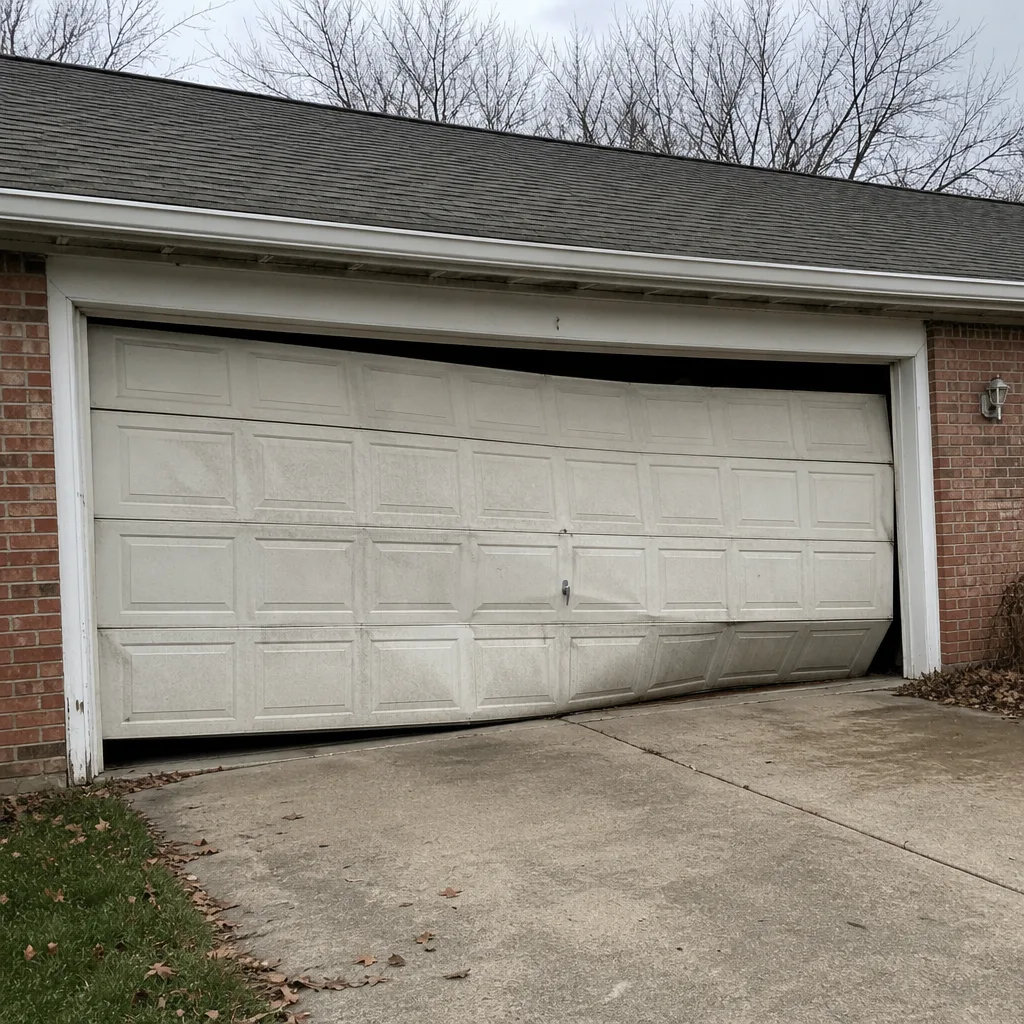 Before
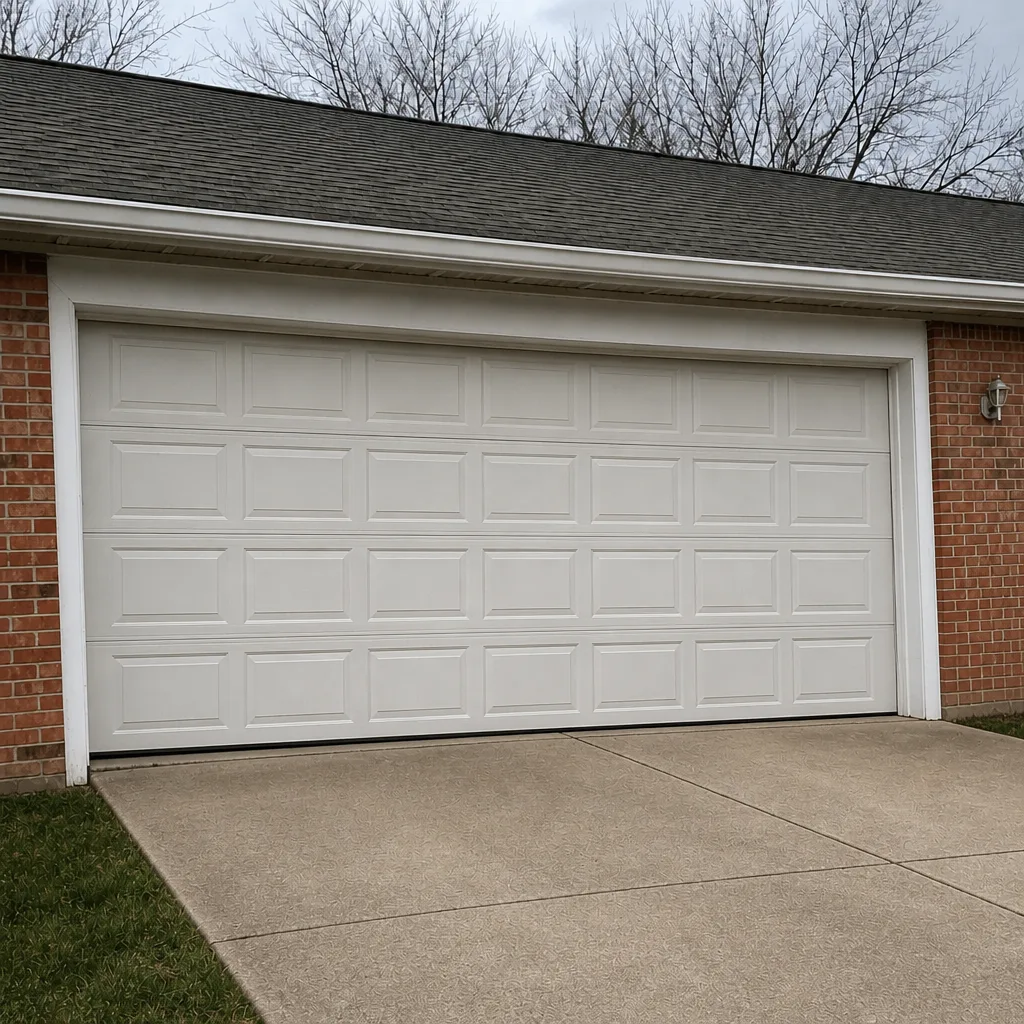 After
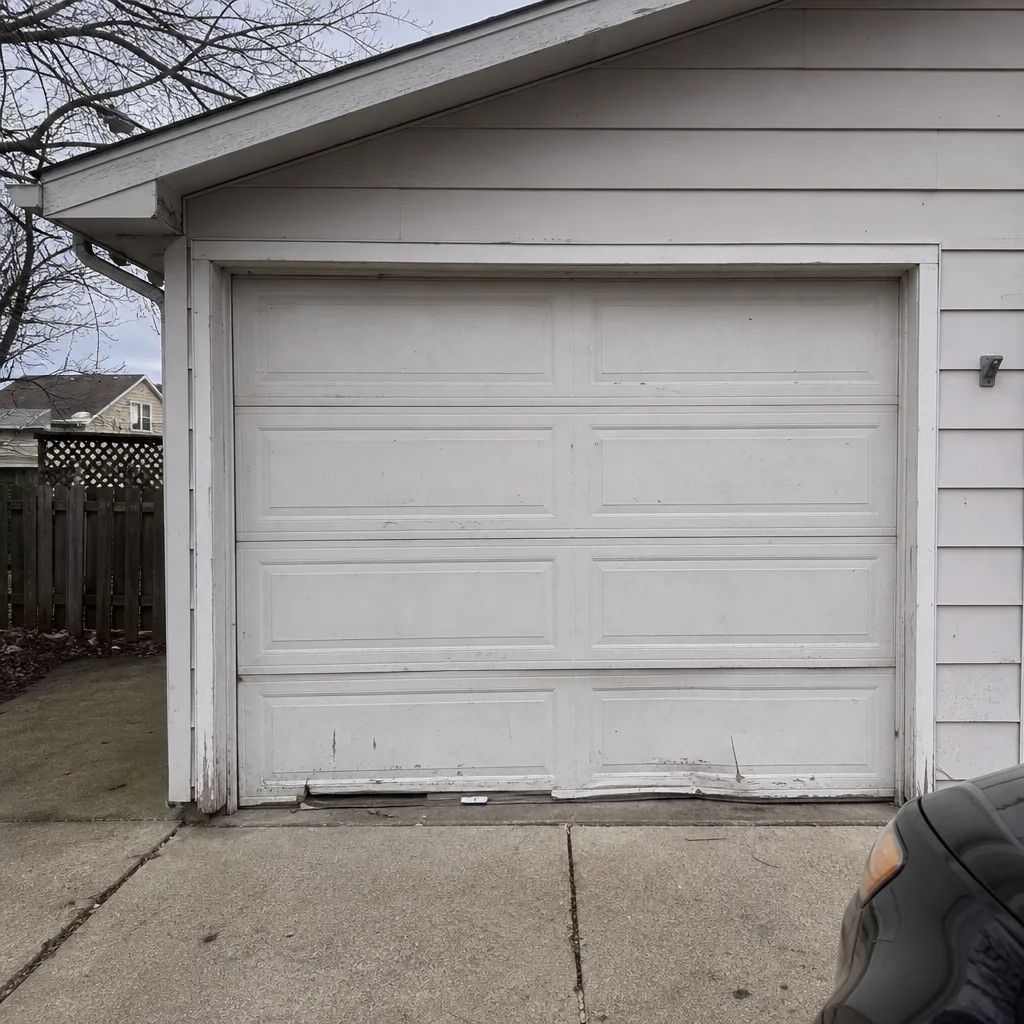 Before
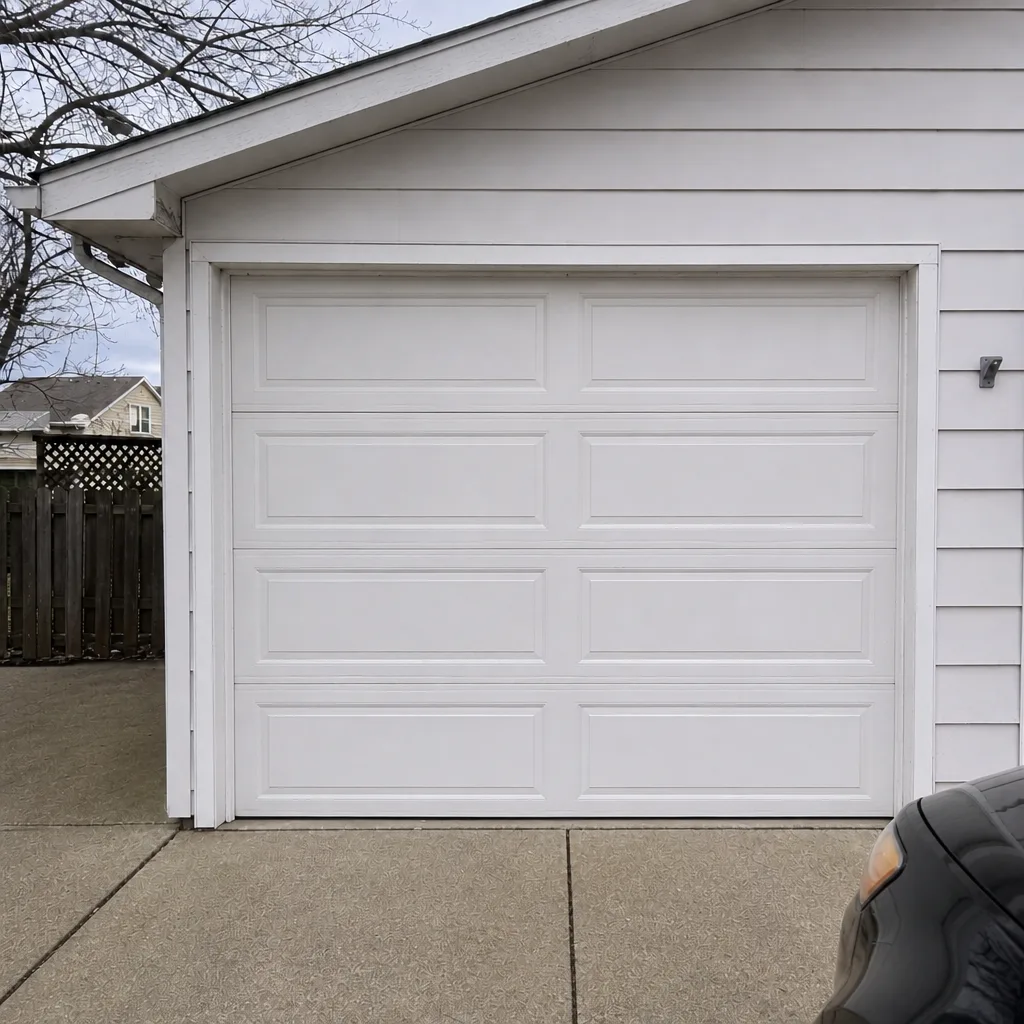 After
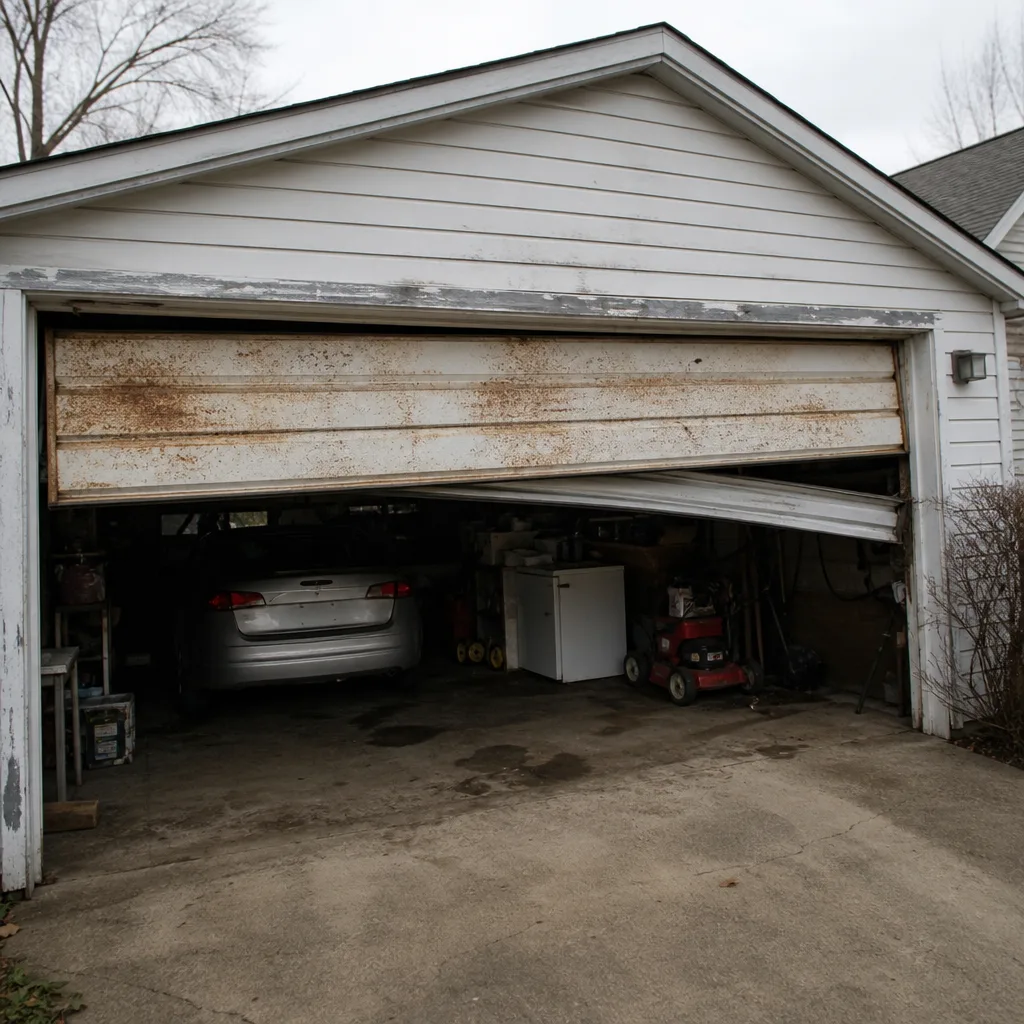 Before
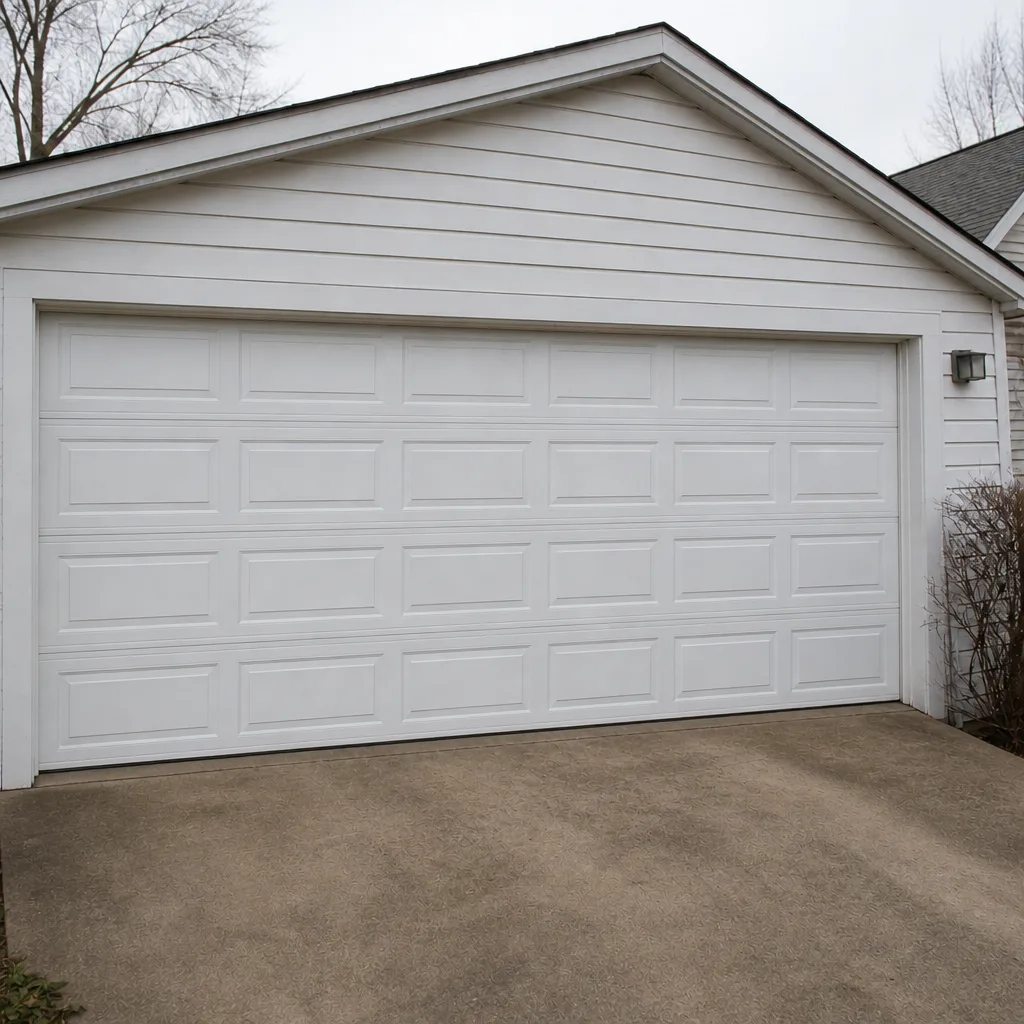 After
When to Call a Professional
Call a professional today if any of the following is true: the door won’t hold halfway when lifted by hand, you see a gap in a torsion spring or a visibly unwound cable, the door reverses repeatedly even with clean sensors, or the opener runs but the door doesn’t move. These are the signs that most often lead to a stranded car or a stuck door. Call a professional this week (not today, but soon) if the door is noisy, feels heavy, wobbles in the tracks, or reverses occasionally. These are the earlier warnings that a routine service visit can address before the door fails outright.
Garage Door Repair Grove City offers free estimates in Grove City. Call (855) 605-4061 and describe what you’re seeing. We answer 24/7, with fast dispatch from 7am to 7pm, Sunday through Friday. If you already know what’s wrong and need a specific service, our garage door repair team can schedule a visit and give you a written estimate before any work begins. Garage doors are the only thing we work on, so the diagnosis is quick and the parts we need are usually in the vehicle when we arrive.
Frequently Asked Questions
A door that won’t hold its position when you lift it halfway by hand is the most serious warning sign because it points to a spring failure and the door is being held up by the opener alone. Stop using the door and call a professional. The second most serious is a gap in a torsion spring coil or a visibly broken cable. Both mean the door should not be operated until repaired.
It’s the sensor about half the time. Clean the sensor lenses on both sides, check that nothing is blocking the beam, and confirm that both sensors have a solid light (not flickering). If the door still reverses, the most likely cause is a spring tension issue, a binding roller, a track that’s out of alignment, or an opener force limit that’s out of spec. In our experience helping Grove City homeowners diagnose this, those are the four causes that come up after sensors are ruled out.
A broken torsion spring shows a visible gap in the coil above the door, and the door will feel extremely heavy when you try to lift it by hand. A broken extension spring runs along the side of the door and will look stretched or snapped. In either case, a loud bang from the garage followed by a door that won’t lift is the classic pattern. Don’t try to operate the door. Call for a same-day repair.
Some things are safe to handle yourself: cleaning sensor lenses, re-securing a loose remote battery, lubricating the rollers and hinges, and running the manual-release test. Anything involving springs, cables, torsion drums, or opener gear assemblies is not a homeowner job. Springs and cables are under high tension and can cause serious injury. If you’re not sure which category your issue falls into, call and describe it. We can usually tell you over the phone whether it’s a homeowner-safe fix or a service call.
It depends on where the grinding is coming from. Grinding from the rollers or tracks is usually a maintenance issue. Grinding from the opener’s motor head is usually worn internal gears. In our experience, a geared opener with stripped components can often be repaired if the issue is caught early, but a twenty-year-old unit with a failing logic board is usually better replaced than repaired. The right answer depends on the brand and model, which is why we work on LiftMaster, Chamberlain, Genie and Craftsman units and know each one’s typical failure pattern.
Once a year is a good baseline, plus any time you notice a new sound, uneven movement, or a change in how the door feels when you lift it by hand. Run the manual-release test monthly on your own, because it’s the fastest way to catch spring problems before they snap. Grove City’s temperature swings from winter to summer put real stress on springs and cables, and a yearly inspection catches wear before it turns into a failure.
The Bottom Line
Garage door failures almost never happen without warning. Slower movement, new sounds, a door that won’t hold halfway, a visible gap in a spring, or a frayed cable are all signals you can read at home. The trick is knowing which signals mean “schedule a service” and which mean “stop using the door and call today.” Run the manual-release test monthly, look at your cables and springs with your eyes only, and pay attention to where a grinding noise is coming from. If something doesn’t add up, call us. We work on the brand you already have, and we focus on the three components that fail most often: the door, the opener and the springs.
Call (855) 605-4061 for a free estimate. We answer 24/7, with fast dispatch from 7am to 7pm, Sunday through Friday. Every job starts with a written estimate you approve before work begins, so you know the price before anyone touches the door. If your door is in Grove City and something on this list matches what you’re seeing, we can take a look and tell you what it needs.
Written by the team at Garage Door Repair Grove City.