
Last updated November 20, 2026
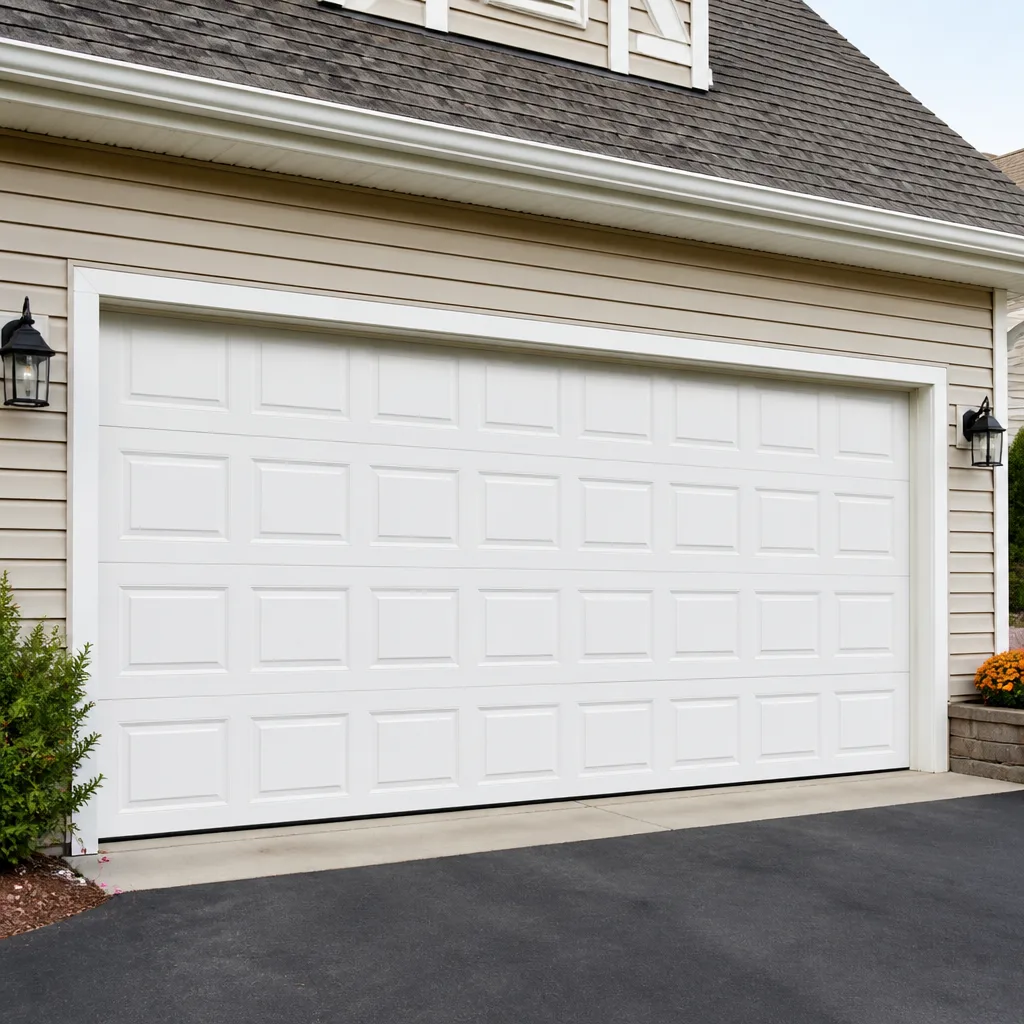 Raised-panel steel
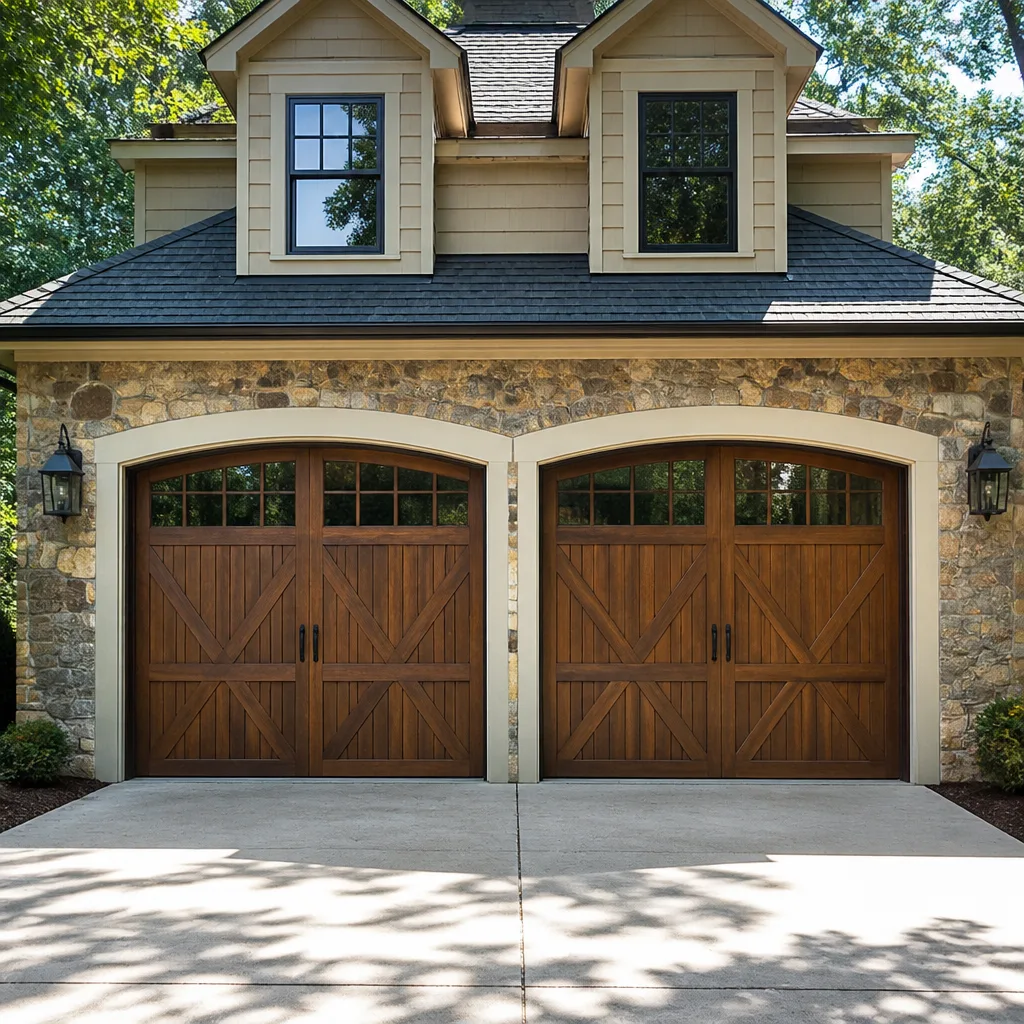 Carriage house
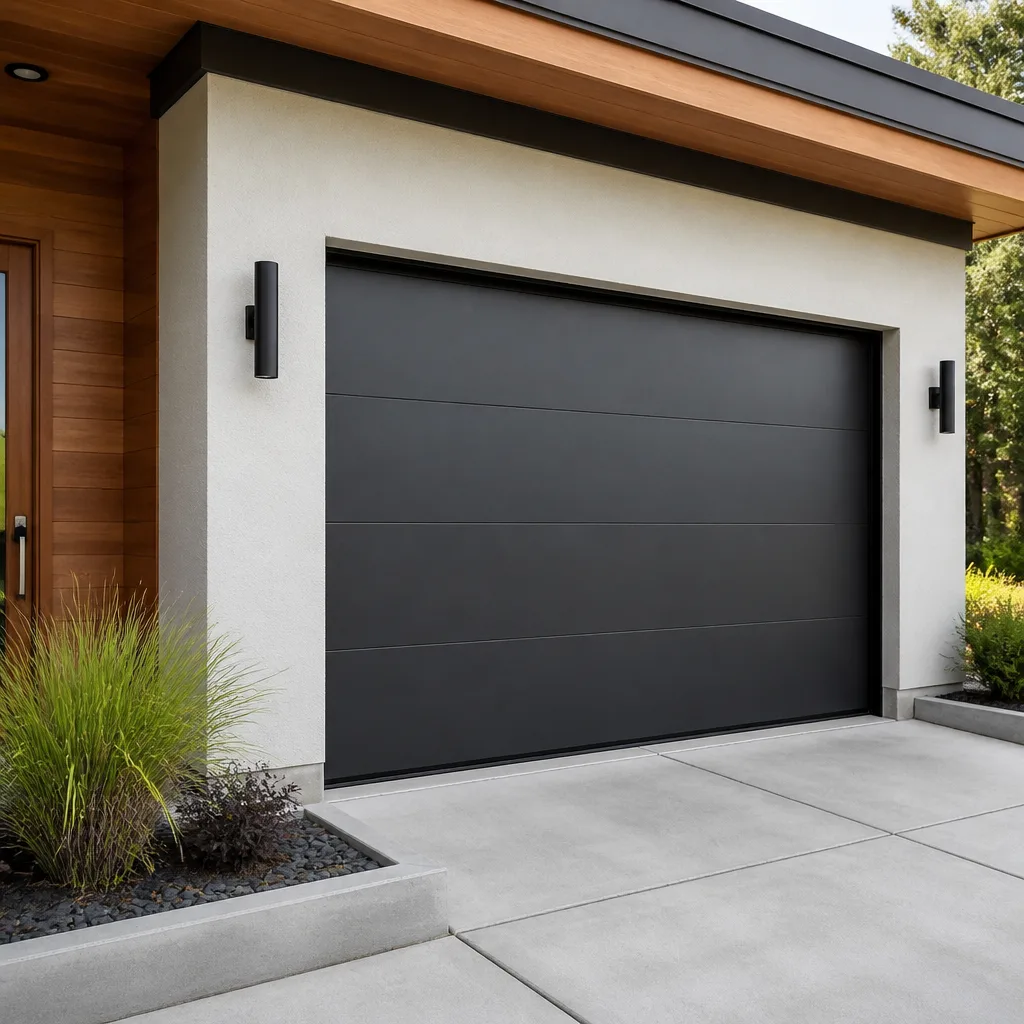 Modern flush
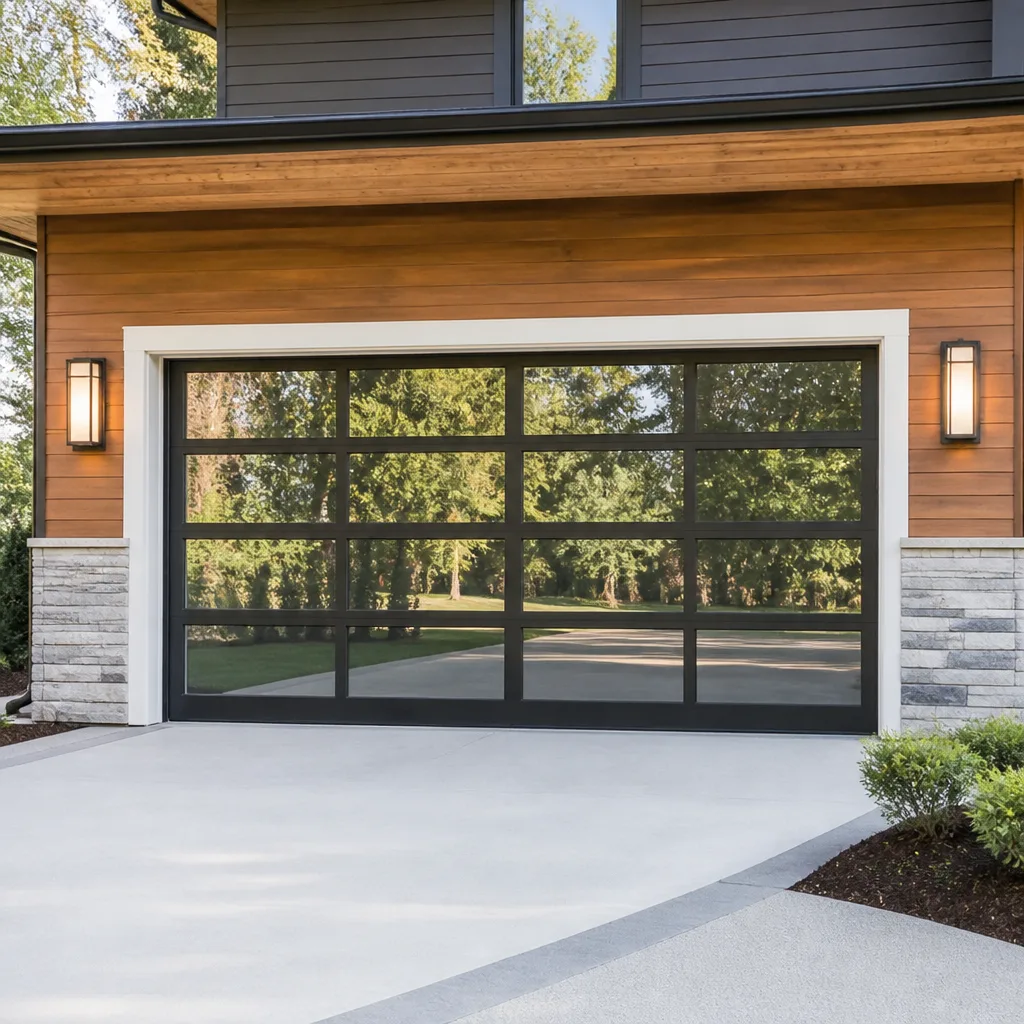 Full-view glass
 LiftMaster openers
 Chamberlain openers
Full 25-point door and opener safety check with every visit - springs, cables, rollers, tracks, and your LiftMaster or Chamberlain opener included
You get a price before we start. It does not change when the pro arrives.
Get your free estimateGarage Door Permits, Codes & Inspections in Grove City, OH: What You Need to Know
Most homeowners in Grove City assume a garage door is exempt from permits because it’s a fixture, not a room. That assumption holds right up until you add an opener circuit, widen the rough opening, or replace a door with a heavier model that changes the load path. At that point, under Ohio Residential Code Section R301, you’ve crossed into permitted work, and the paper trail starts to matter. This guide maps the exact trigger thresholds, explains what insurance companies look at after a claim, and shows you what an inspector actually checks during a rough-in versus a final. No guesswork, just the rules as they apply to doors in Grove City.
Quick Answer
A straight garage door replacement in Grove City that reuses the existing opening, existing framing, and existing opener generally doesn’t require a permit. You do need a permit when the work involves structural changes to the rough opening, new electrical circuits for an opener, or alterations that affect the wind-load path of an attached garage. When in doubt, call the City of Grove City building department and describe the scope; they’ll tell you whether it’s permitted work.
Styles & brands we work with
- Raised-panel steel
- Carriage house
- Modern flush
- Full-view glass
- LiftMaster openers
- Chamberlain openers
Table of Contents
- When Does a Garage Door Repair Need a Permit in Grove City?
- What Ohio Residential Code Section R301 Means for Your Door
- Wind-Load Requirements and Panel Selection
- Why Insurance Companies Ask About Permits
- What an Inspector Checks: Rough-In vs. Final
- Permit Timeline and Fee Structure in Grove City
- Repair vs. Replace: Where the Line Sits
When Does a Garage Door Repair Need a Permit in Grove City?
In Grove City, the general rule most building departments apply is that like-for-like replacement is not permitted work, but anything that changes the structure or adds new systems is. A new door of the same size in the same opening is a straight swap. A door that requires new jambs, a taller header, or a wider rough opening is a structural alteration, and that’s when a permit comes into play.
Here’s how we explain the trigger thresholds to homeowners:
- Same-size swap, same opener, same wiring: no permit in most cases. The door is a fixture replacement.
- Same-size swap but a new opener requiring a new dedicated circuit: electrical permit required for the circuit, and often a combined building and electrical permit.
- Widening or raising the rough opening by any amount: structural permit required. The header and framing change, and the load path to the walls and foundation shifts.
- Converting a manual door to an automatic opener: electrical permit for the outlet or circuit, even if the door itself doesn’t change.
- Adding a door to a garage that previously had none: structural and building permit.
- Replacing a door on an attached garage with living space above: review of wind-load and structural attachment is common even if the size doesn’t change, because the garage wall is part of the main structure.
Grove City has a lot of attached garages with rooms over them, particularly in the neighborhoods that grew quickly through the 1990s and 2000s. Those garages carry a different structural story than a freestanding detached garage on a lot in the older part of town. If you’re not sure which category your home falls into, the safest move is to call the City of Grove City building department with your address and the scope of work. They answer this question every day.
One more distinction worth understanding: a repair isn’t the same as a replacement. Replacing a broken spring, a bent track, a frayed cable, or a panel on an existing door is a repair and does not require a permit. It’s still work a trained professional should handle, particularly on the springs and cables, but it’s not a permitted activity. If your door is failing and you’re weighing repair against replacement, our Garage Door Repair Grove City page breaks down the typical decision points.
What Ohio Residential Code Section R301 Means for Your Door
Ohio Residential Code Section R301 sets out the structural design requirements for one- and two-family dwellings. It’s the section that requires the building envelope to resist the loads that will be applied to it, including wind. The garage door opening is a structural element, not just an opening in a wall, because the header over the door has to carry the load of everything above it and the walls beside it have to resist the lateral load the door transmits.
For Grove City homeowners, R301 matters in three places:
- The header over the door. When a rough opening is widened or raised, the header has to be resized or replaced. A door upgrade that doesn’t touch the header doesn’t trigger R301 review, but a permitting reviewer will look at the header sizing when the scope includes any opening change.
- Wind-load rating of the door panel. Garage doors are rated for wind pressure, and the rating needs to match the design pressure for the home’s location. For an attached garage with living space above, the door is effectively the front wall of the house, and the wind-load requirement reflects that.
- Attachment of the tracks and hardware. The vertical tracks, the horizontal tracks, and the torsion system all need to be anchored into framing that can carry the load. A door installed into a masonry opening without a wood nailer, or a door hung off a weakened jamb, fails that test.
You don’t need to read the code yourself. The point is knowing that R301 is the reference point a Grove City plan reviewer uses, and that any scope that touches the opening or the wind-load envelope has to clear it. When we’re pricing a repair that involves a door on an attached garage with a room above it, we look at the header and the wind rating the same way the inspector will. That way the work matches what a final inspection expects. For a look at what a typical repair involves, see our garage door repair page.
Wind-Load Requirements and Panel Selection
Wind-load rating is the single most-overlooked detail in door selection, and it’s the one most likely to cause a problem at inspection or at resale. A residential garage door carries a design pressure rating, and that rating should match the pressure the home is designed to withstand. In a typical one-story detached garage, the door is a windbreak with little on the line. In an attached garage with living space above, the door is part of the front wall of the house, and the wind rating needs to be appropriate for that exposure.
What that means for a Grove City homeowner is simple: if your home falls into that second category, the panel you choose matters. A lighter, decorative panel rated for a lower design pressure is not a match for a wall that carries living space. An inspector reviewing a rough-in will look for documentation of the door’s wind-load rating, and a door without one or with a rating below the required pressure is going to stall the inspection.
Panel selection also connects to brands. Clopay, Amarr, Wayne Dalton, and Raynor all manufacture doors in multiple wind-load ratings, and the same model number often has variants. When we quote a door on an attached garage with living space above, we make sure the model and rating are documented in writing so the inspector and the homeowner are looking at the same number.
One more wind-related point: hardware and reinforcement. A door rated for higher wind pressure uses a heavier gauge of hinge, a stronger bottom bracket, and often an additional strut across the back of the panel. Those aren’t cosmetic upgrades. They’re part of the rating. If a door was ordered with the right panel and the wrong hardware, the rating doesn’t apply.
Why Insurance Companies Ask About Permits
When a homeowner files a claim that involves the garage door, the adjuster’s first questions often involve how the door was installed, whether the installation was permitted, and whether it met code at the time. That’s not because the insurer is looking for a reason to deny. It’s because the policy language generally requires that improvements meet code and that any structural work be permitted. A door that was installed without a required permit can become a coverage question during a claim, and that’s a financial exposure most homeowners have never thought about.
The scenarios where this surfaces are predictable:
- Wind or storm damage to an attached garage door. If the door didn’t meet the required wind-load rating and wasn’t permitted, the claim can be reduced or disputed.
- A structural claim involving the wall over the garage. If the header was resized without a permit, the claim reviewer will want to see how the new load path was designed.
- A fire or electrical claim involving the opener circuit. An unpermitted electrical circuit is a standard exclusion in many policies.
- Resale. A buyer’s inspector will pull permitted work history for the address. An unpermitted door or opener circuit shows up as a discrepancy, and the seller is the one explaining it.
None of this means every garage door replacement needs a permit. It doesn’t. The point is that when you do cross into permitted work, doing it without the permit is a risk that stays with the house, not with the installer. The permit is the record that the work was done and inspected. That record is what an insurer, a buyer, and an appraiser all look at.
If you’re working through a repair that involves the opener or its wiring, that’s a different track. Our garage door opener repair page covers what an opener repair involves and when an electrical permit is likely to come into play.
What an Inspector Checks: Rough-In vs. Final
A garage door installation that requires a permit typically goes through two inspection phases: rough-in and final. They check different things. Knowing the difference helps a homeowner understand why a job takes the time it takes and what could stall it.
Rough-In Inspection
The rough-in happens before the door is hung and before the wall is closed up. The inspector is looking at structure and systems in the open.
- Header sizing and framing. The inspector confirms the header over the opening matches what the permit drawings show and can carry the load above it.
- Anchor points. The vertical tracks, torsion bar brackets, and the reinforcement at each jamb are checked for attachment to framing, not just to sheathing or masonry.
- Electrical rough-in. If a new opener circuit or outlet is being added, the wire, box location, and connection point are inspected before drywall goes back.
- Wind-load documentation. For an attached garage with living space above, the door’s wind-load rating is verified against the design pressure noted on the permit.
Final Inspection
The final happens after the door is hung and the opener is installed. The inspector is looking at the finished assembly.
- Door operation. The door must open and close smoothly, without binding, and fully seal at the threshold.
- Safety features. The photo-eye system at the bottom of the tracks must be installed, aligned, and functioning, and the opener must have a working auto-reverse.
- Clearances. The door and tracks must be clear of obstructions and the opener’s manual release must be reachable.
- Final electrical. The opener outlet and any lighting are checked against the electrical permit scope.
- Paperwork. The inspector wants the door’s wind-load documentation available on-site. If it isn’t, that’s the most common reason a final gets red-tagged.
Those two visits typically happen days or weeks apart in Grove City depending on the building department’s schedule. The rough-in doesn’t wait for the door, and the final doesn’t clear until the door and the paperwork are both ready.
Permit Timeline and Fee Structure in Grove City
The City of Grove City building department sets its own fee schedule and turnaround time, and the exact numbers depend on the scope of the permit. A single-trade electrical permit for a new opener circuit is a smaller fee and a shorter review than a combined structural and electrical permit for a rough-opening change. The department can quote the specific fee over the phone when you describe the work, and they’ll tell you the current review timeline. That call costs nothing and takes a few minutes.
What we can tell you from our side of the work is how the timeline plays out in practice. A permitted job involves:
- Scope description and documentation. The permit application needs a clear description of the work, and for a structural change, drawings of the new opening. That’s the step that determines how quickly the permit gets issued.
- Review and issuance. The building department reviews the application and issues the permit. Turnaround depends on current volume and whether the scope is straightforward.
- Rough-in inspection. Scheduled once the framing and electrical rough-in are ready.
- Door installation. The door is hung after the rough-in clears.
- Final inspection. Scheduled once the door and opener are installed and the paperwork is on-site.
- Close-out. The permit is closed after the final passes. That’s the record that stays with the property.
The takeaway: a permitted job is not a matter of a few extra hours on top of a repair. It’s a sequence that includes the building department’s schedule. If you’re planning around a sale, plan the permit window into it. Call (855) 605-4061 to talk through a repair scope; we answer 24/7 and fast dispatch runs 7am to 7pm, Sunday through Friday.
Meanwhile, spring repairs themselves don’t involve the building department. If your door has stopped working and the likely cause is a broken spring, our garage door spring repair page covers the safety side of that work, which is the part that matters most.
Repair vs. Replace: Where the Line Sits
The safest way to keep a garage door job out of permitted territory is to know which side of the repair line the job sits on. Here’s how we draw it:
- Repairs that don’t trigger a permit: replacing springs, replacing a broken cable, straightening a bent track, replacing a damaged panel with the same size and weight panel, replacing rollers and hinges, rebalancing a door, replacing a light bulb or battery in an opener, resetting a photo-eye alignment.
- Repairs that usually don’t trigger a permit but often involve the opener: replacing an opener with the same model style connected to the existing outlet. No new circuit means no electrical permit.
- Repairs that do trigger a permit: any change to the rough opening, any new electrical circuit, any change to the wind-load classification of the door on an attached garage with living space above, any structural alteration to the header or jambs.
If your door is failing but you’re not sure whether repair or replacement is the answer, that’s a conversation before it’s a permit question. Most of the door failures we diagnose fall into the panel/track, opener, and spring categories, and most of those are repairs. The permit question only enters the picture when the fix changes the structure or the systems around the door.
Our technicians have up to 10 years of experience and work on eight of the most common garage door and opener brands found in residential homes, from a new LiftMaster or Chamberlain opener to a 20-year-old Craftsman or a Raynor door that’s been on the same opening since the house was built. That matters for the inspection paper trail, because the documentation for the door’s wind rating lives with the manufacturer, and we can pull it for the brand that’s on your home.
Common Mistakes to Avoid
- Assuming every door replacement is exempt. A same-size swap usually is, but widen the opening and it isn’t. Ask the building department before the door is ordered, not after it’s hung.
- Skipping the electrical permit on a new opener circuit. An opener added to an outlet that already existed is different from an opener that needs a new circuit. New circuit means electrical permit.
- Not checking the wind-load rating before purchase. On an attached garage with living space above, a decorative panel rated below the design pressure won’t clear the final. Confirm the rating in writing when you order the door.
- Assuming the door’s documentation will be available at the final. The inspector wants the wind-load paperwork on-site. If the door came without it, that’s the most common reason a final gets stalled in Grove City.
- Assuming an unpermitted install is a future problem only. The permit record is what an insurer, a buyer’s inspector, and an appraiser will look for. A door without a required permit can become a claim question during storm damage.
- Treating a rough-in inspection as a formality. The header, anchor points, and electrical rough-in are the parts of a permitted job that can’t be fixed after the wall is closed up.
- Letting a contractor skip the permit to save time. The permit isn’t a bureaucratic extra. It’s the record that stays with the house. If a contractor offers to skip it, that’s a signal about how the rest of the work will be handled.
See the difference
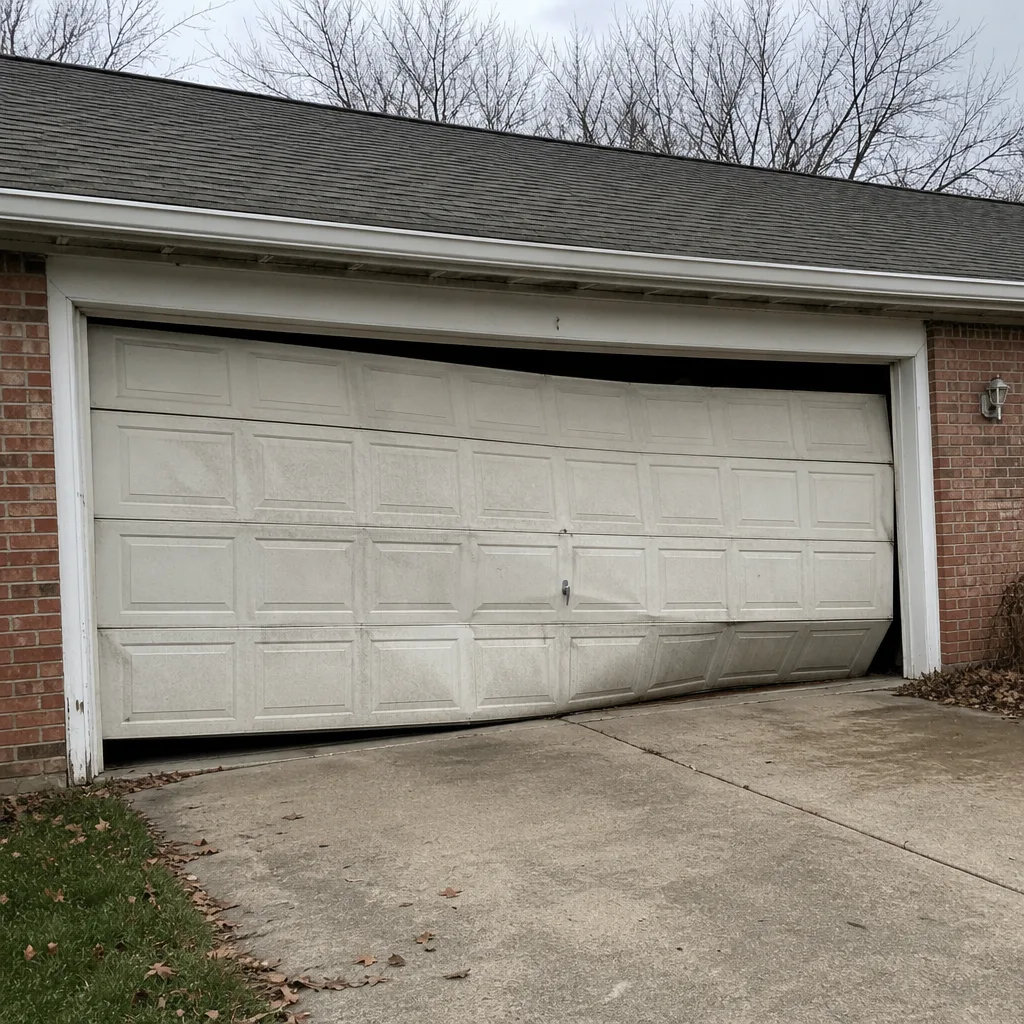 Before
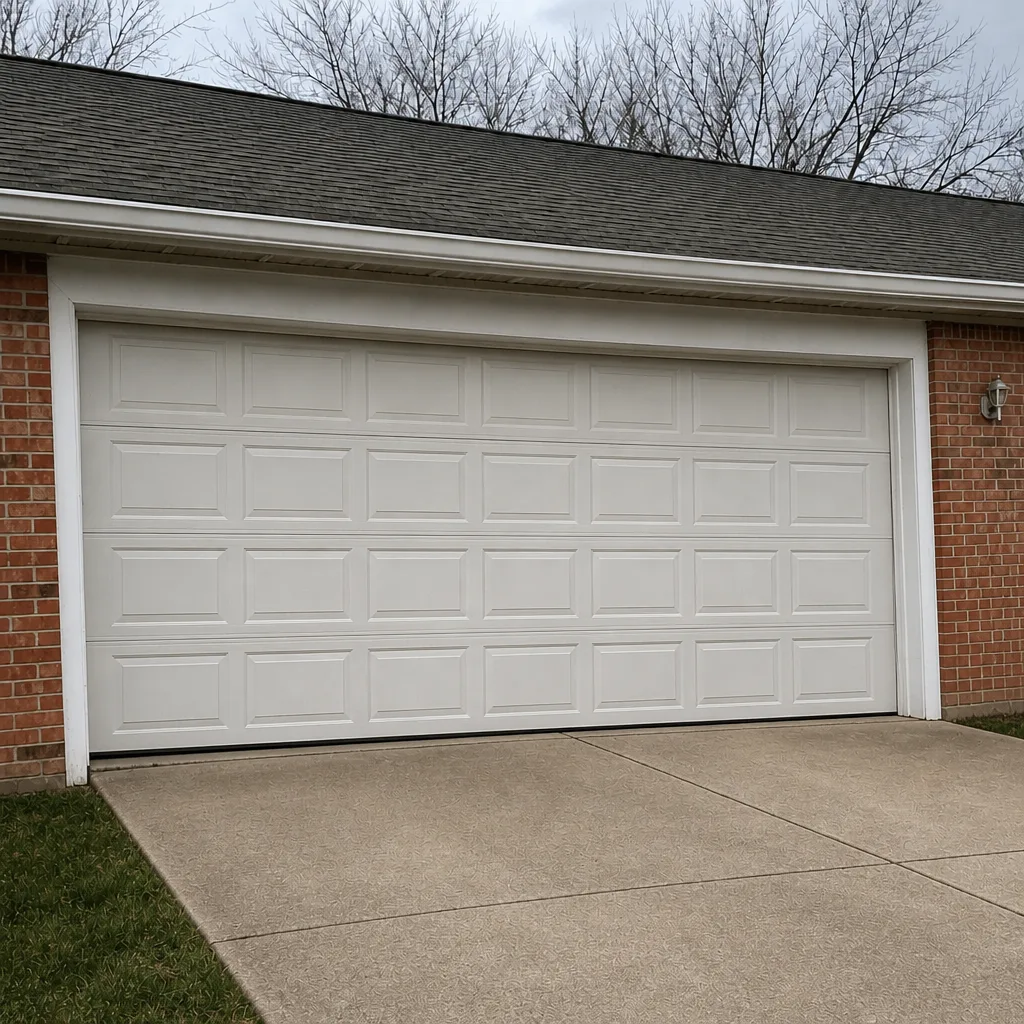 After
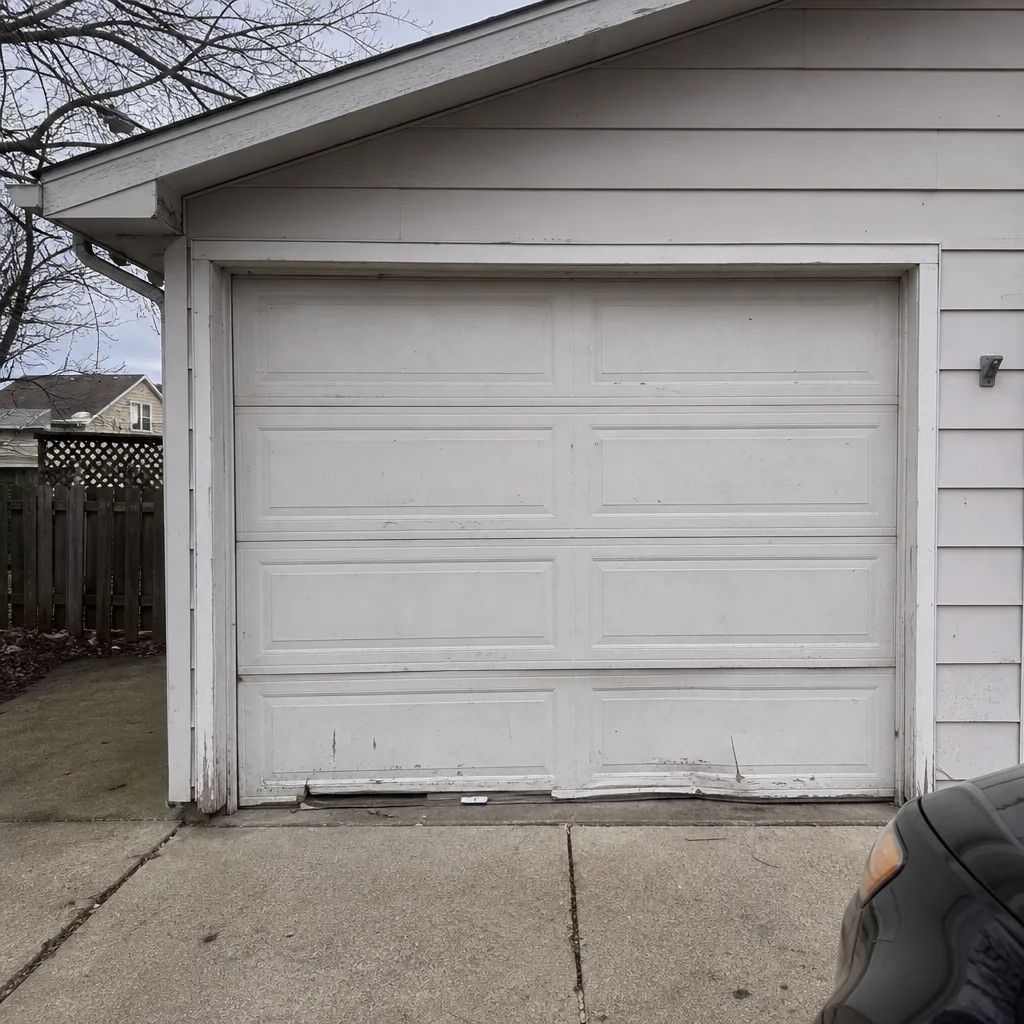 Before
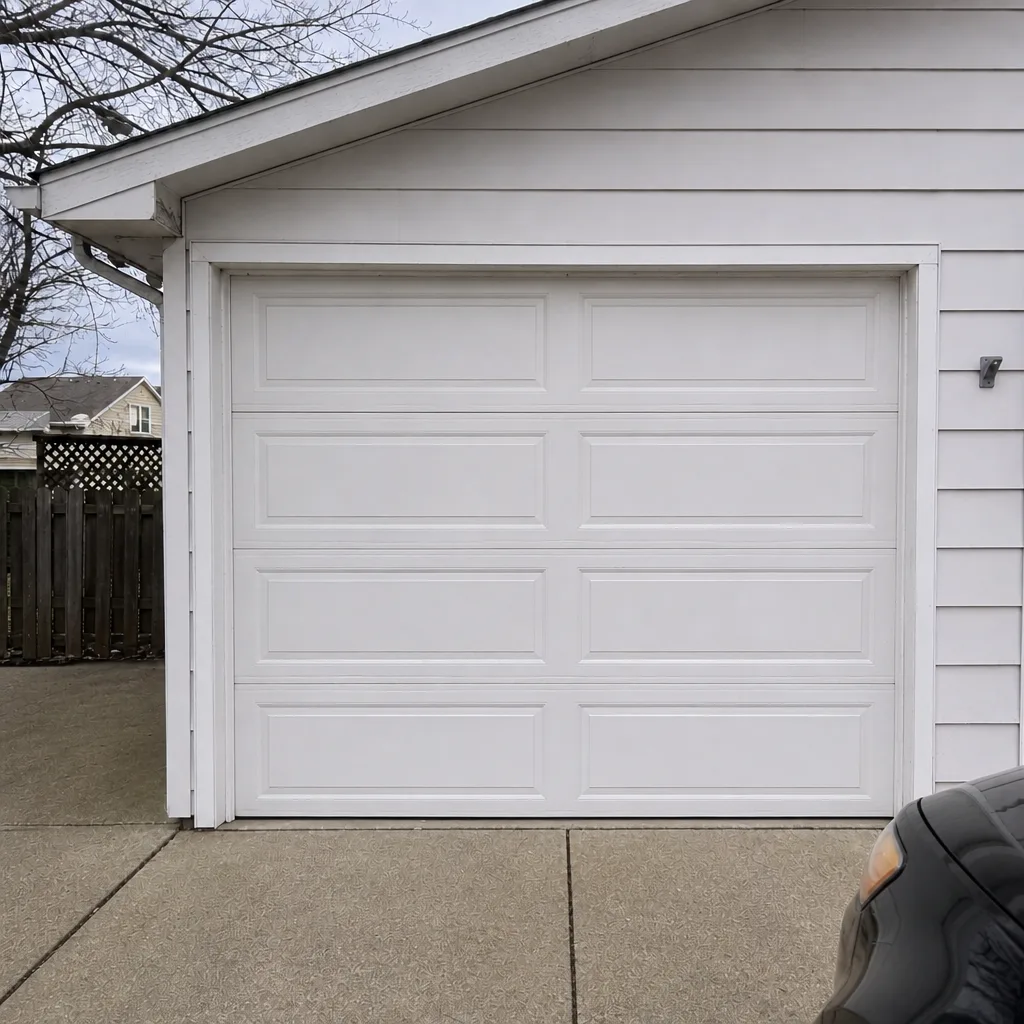 After
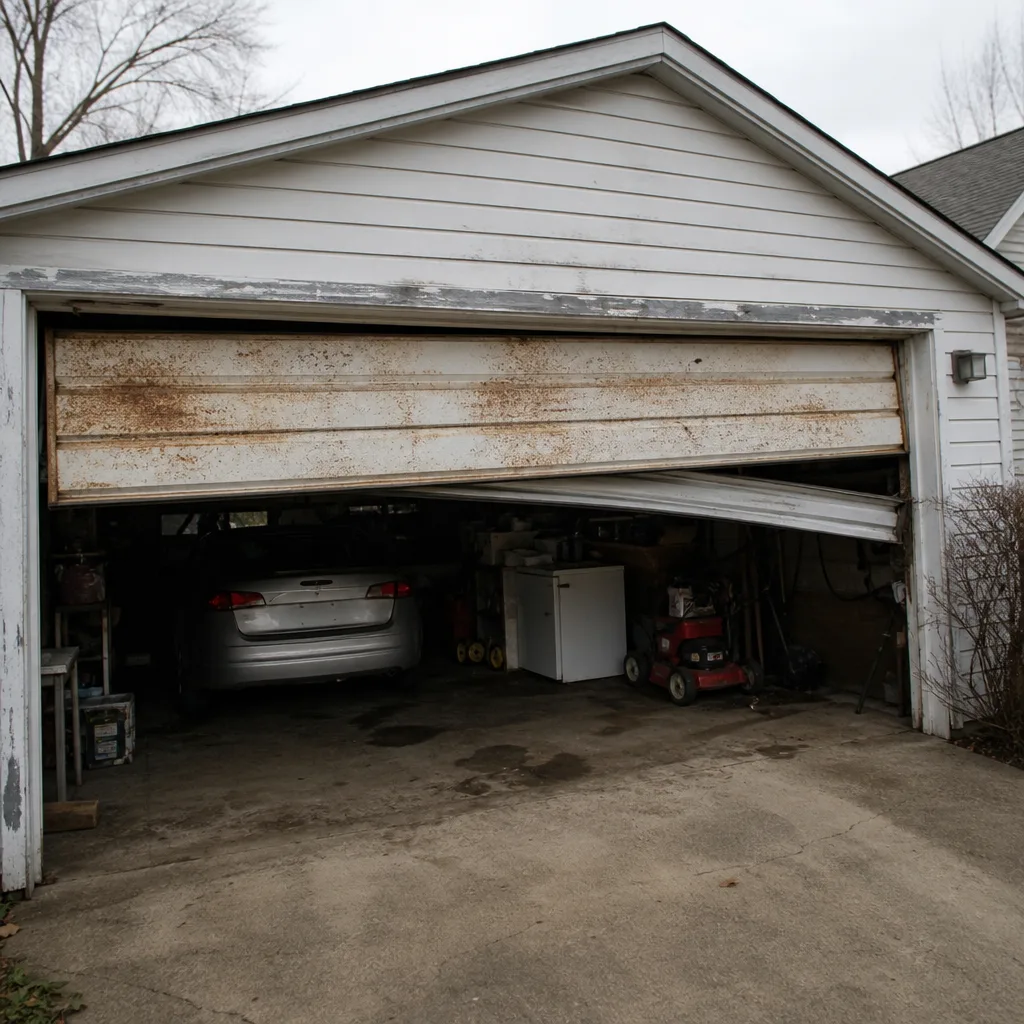 Before
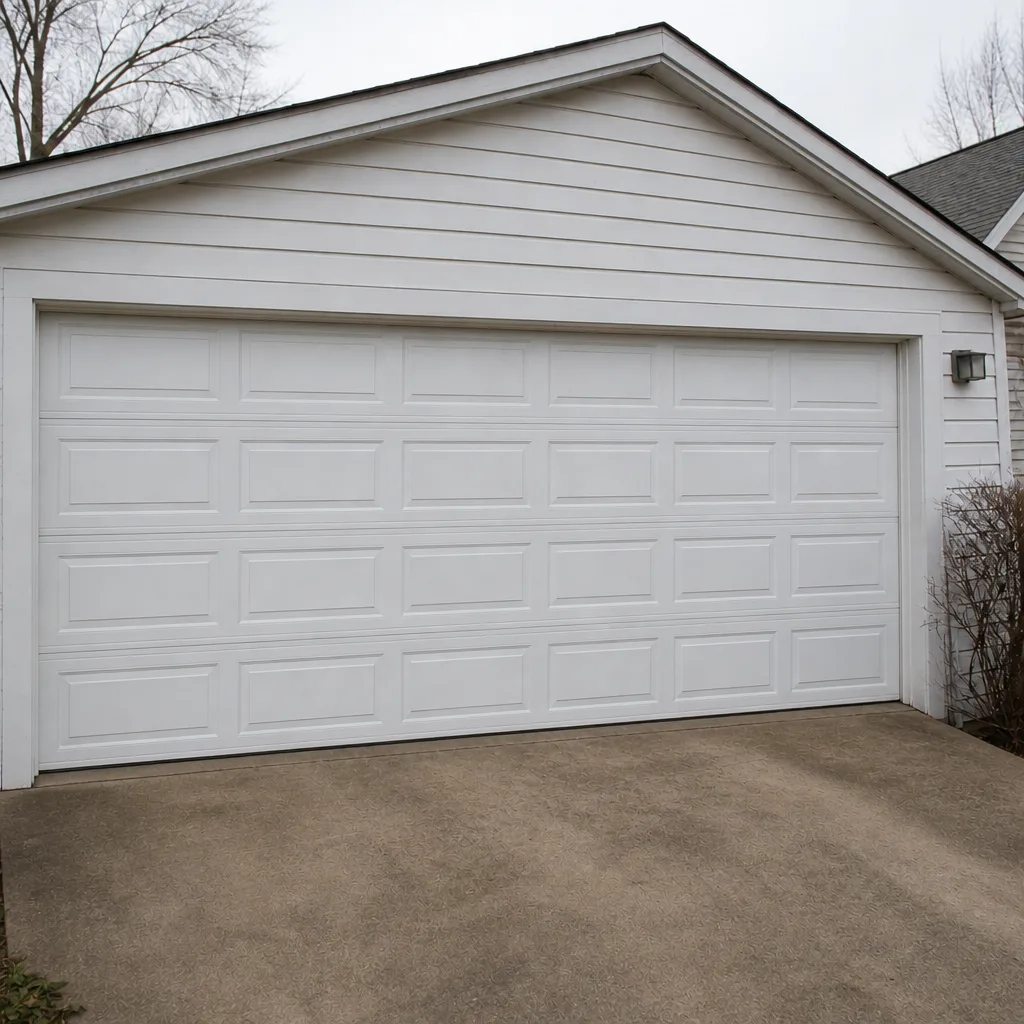 After
When to Call a Professional
Some garage door work is straightforward and some of it is genuinely dangerous. Any job involving torsion or extension springs, cables under tension, or hardware that has failed under load should go to a trained professional. The same is true for any repair that involves the structural opening, the wind-load rating of a door on an attached garage, or the electrical side of an opener. Those are the areas where a mistake can hurt someone or leave you with a permit problem that surfaces later. We work on springs, doors, tracks, and openers every day and can tell you quickly which category your job falls into. Garage Door Repair Grove City offers free estimates in Grove City – call (855) 605-4061. We answer 24/7 and fast dispatch runs 7am to 7pm, Sunday through Friday. The price is quoted and agreed before any work starts, and the written estimate is the price.
Frequently Asked Questions
Usually not, if you’re replacing a door of the same size in the existing opening with the same opener and wiring. You do need a permit when the work changes the rough opening, adds a new electrical circuit, or alters the wind-load classification of an attached garage door with living space above. Confirm with the City of Grove City building department for your specific address. Call (855) 605-4061 for a free estimate on the door side of the job.
Structural changes to the rough opening, new electrical circuits for an opener, and any alteration to the wind-load path of the door on an attached garage with living space above. A spring, cable, track, or panel repair on an existing door doesn’t trigger a permit. If you’re unsure which side of the line your job sits on, call the building department with your address and describe the work.
Many policies require that improvements meet code and that structural work be permitted, so an unpermitted installation that contributed to a loss can become a coverage question during a claim. It doesn’t automatically mean denial, but it’s a real exposure that homeowners should factor in. The permit record is what the adjuster will look for. Call (855) 605-4061 if you want to talk through how a repair or replacement fits into your coverage question.
Door operation, safety features including photo-eyes and auto-reverse, clearances, the electrical connection for the opener, and the door’s wind-load documentation on-site. The wind-load paperwork is the most common reason a final gets stalled, so make sure it’s available before the inspector arrives. The rough-in inspection earlier in the process checks the header, framing, anchor points, and electrical rough-in.
The City of Grove City building department can quote the current timeline when you call with your scope. In practice, a permitted job involves the permit application, review and issuance, a rough-in inspection, door installation, a final inspection, and close-out. The building department’s schedule drives the timeline, so plan the permit window early if you’re working toward a sale. Call (855) 605-4061 to talk through the door side of the timeline.
The local pros we connect Grove City homeowners with are licensed and insured as their state requires. The work we coordinate is limited to the door, the opener, and the spring system, so the technician on-site is a garage door specialist rather than a general handyman. Call (855) 605-4061 for a free estimate; estimates are free and the price is set by the written estimate before any work starts.
The Bottom Line
Most garage door work in Grove City doesn’t need a permit, and the work that does need one is predictable: opening changes, new electrical circuits, and wind-load changes on attached garages with living space above. The permit itself is a small cost compared to the exposure of skipping it. An insurer, a buyer’s inspector, and an appraiser all look at the permit record, and an unpermitted installation stays with the house. If the scope of your job is unclear, call the City of Grove City building department. If the door itself is broken, call us. We’re a garage door specialist, we work on your brand, and we’ll tell you straight whether the job you’re describing is a repair or something the building department needs to see first.
Call (855) 605-4061 for a free estimate. We answer 24/7 and fast dispatch runs 7am to 7pm, Sunday through Friday.
Written by the team at Garage Door Repair Grove City.