
Last updated November 20, 2026
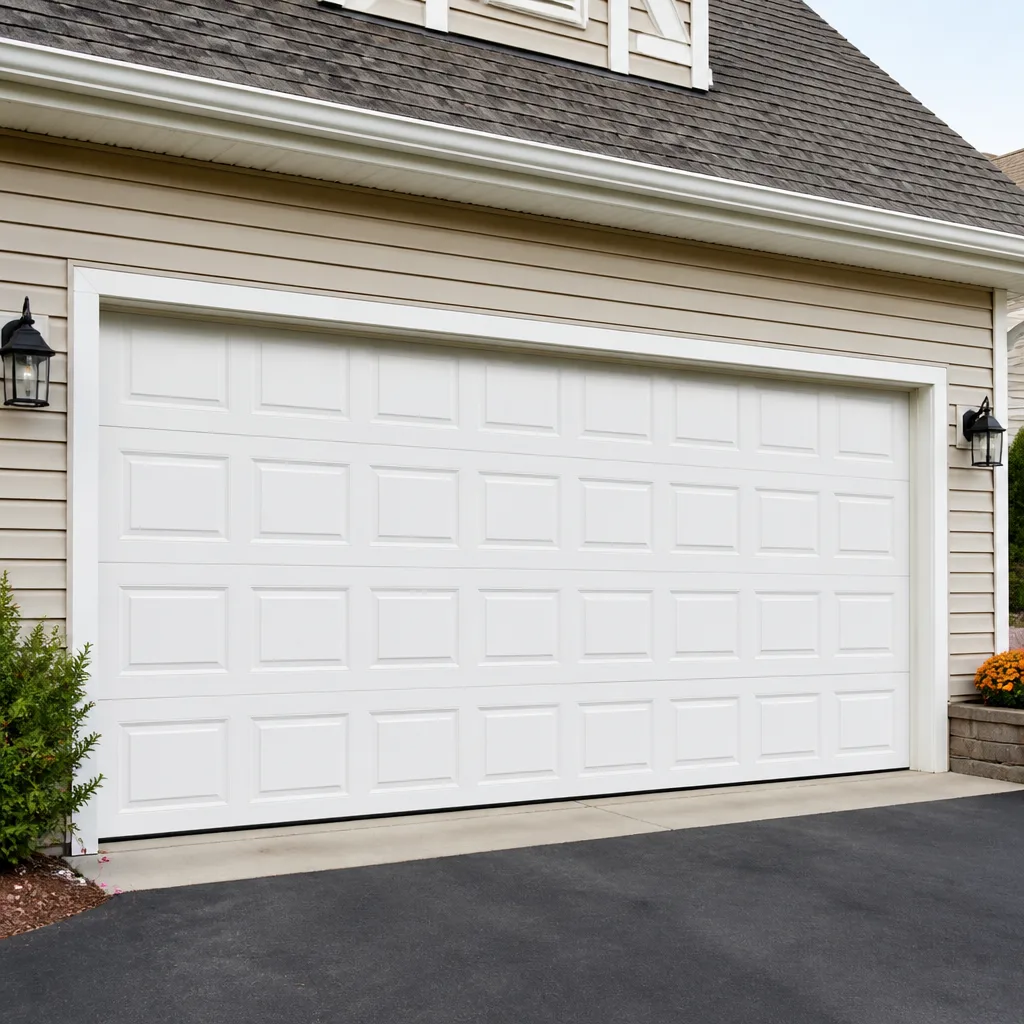 Raised-panel steel
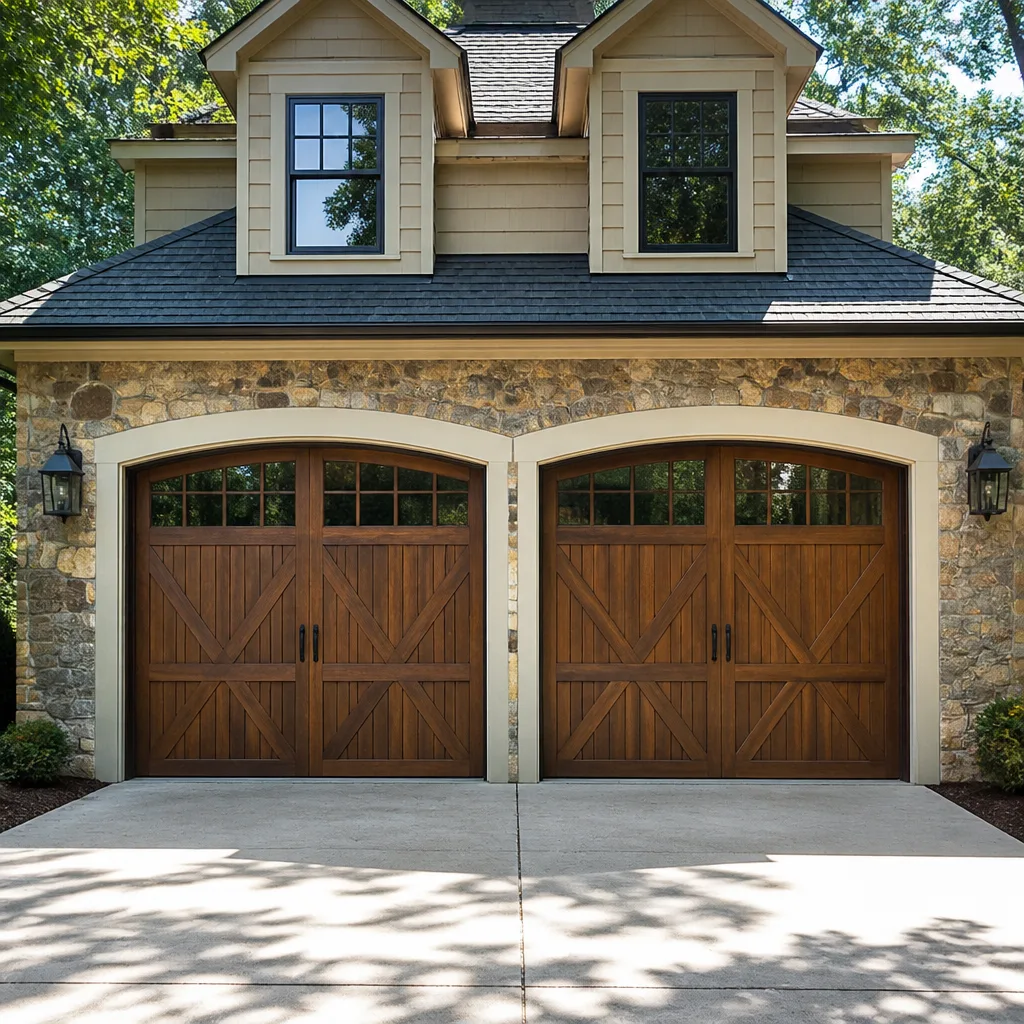 Carriage house
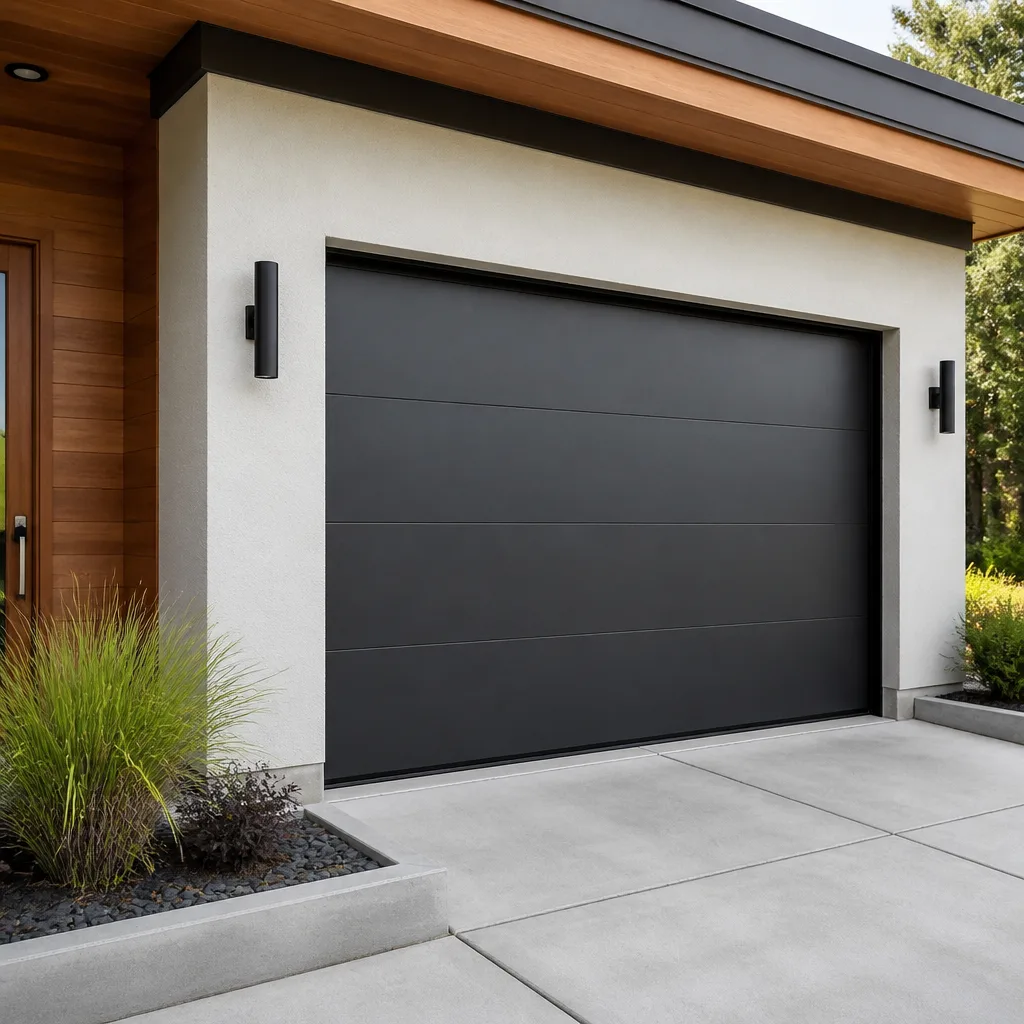 Modern flush
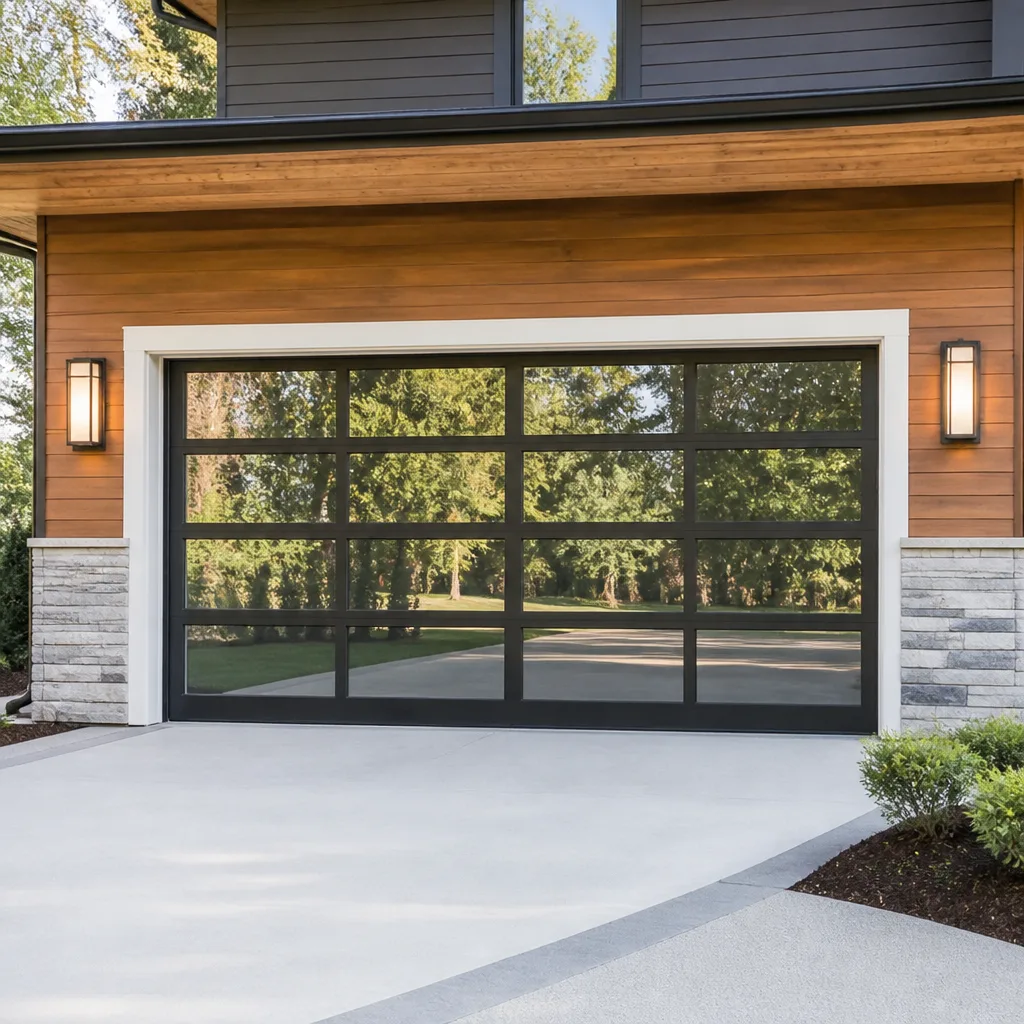 Full-view glass
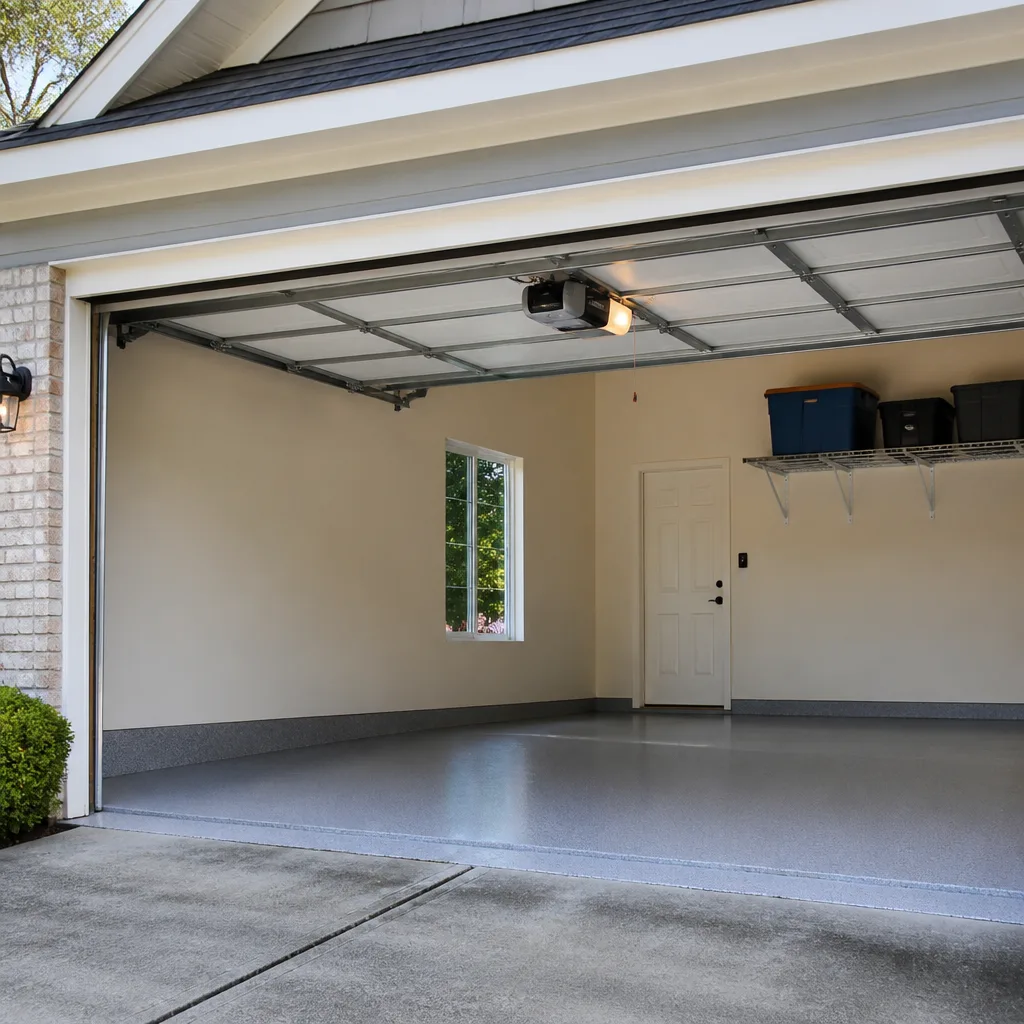 LiftMaster openers
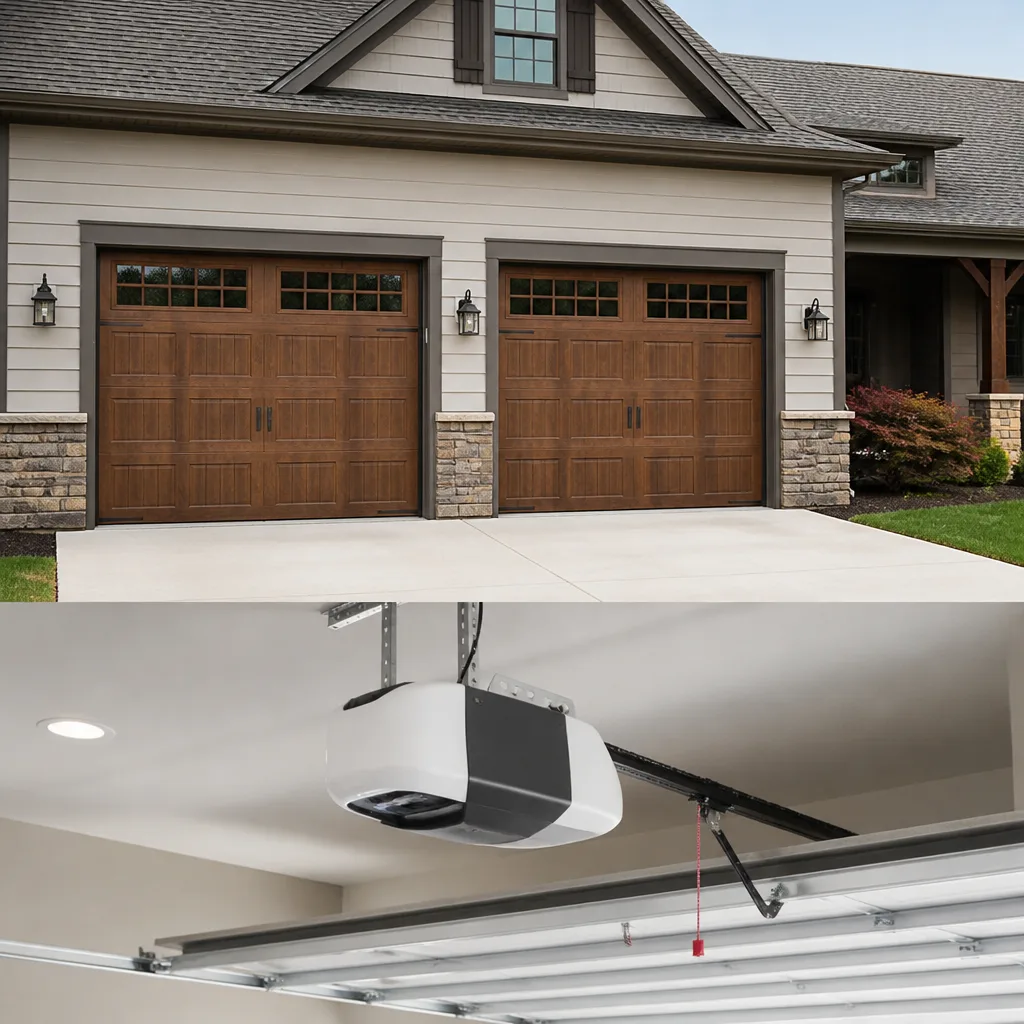 Chamberlain openers
Full 25-point door and opener safety check with every visit - springs, cables, rollers, tracks, and your LiftMaster or Chamberlain opener included
You get a price before we start. It does not change when the pro arrives.
Get your free estimateSeasonal Garage Door Care for Grove City: Year-Round Homeowner’s Guide
The spring that snaps in February usually didn’t decide to fail in February. It failed in October, when the door was still running a little out of alignment after a wet summer, and nobody looked. That’s how garage doors age in Grove City: one season quietly sets up the next season’s breakdown. Cold doesn’t break a door. Misalignment, a worn roller, or a compressed bottom seal does, and winter is only when the symptom shows up. This guide walks through all four seasons the way we actually see them here, so you can work one season ahead of the repair instead of one season behind it.
Quick Answer
Seasonal garage door care in Grove City means addressing a different stress cycle each season: fall alignment and lubrication before the first freeze, winter attention to the bottom seal and floor gap, spring hardware checks after contraction, and summer humidity management for wood-composite doors. A tune-up in October is the single highest-value action because it prevents the failures that surface in January.
Styles & brands we work with
- Raised-panel steel
- Carriage house
- Modern flush
- Full-view glass
- LiftMaster openers
- Chamberlain openers
Table of Contents
- Why Seasonal Care Matters More in Grove City Than Most Homeowners Realize
- Fall: The October Window Before the First Freeze
- Winter: Freeze-Thaw Cycles and the Floor Gap Problem
- Spring: The Post-Winter Hardware Check
- Summer: Humidity, Composite Doors, and Opener Strain
- The Grove City Month-by-Month Action Calendar
- What You Can Check Safely vs. What Needs a Technician
- Common Mistakes to Avoid
Why Seasonal Care Matters More in Grove City Than Most Homeowners Realize
Grove City sits in a climate that delivers a genuine four-season swing, and that swing is what ages garage door hardware. Central Ohio summers push humidity high enough that wood-composite doors swell, and winters drop cold enough that steel contracts and floor slabs shift. Every one of those transitions moves the door’s components against each other. A door doesn’t wear out from use alone; it wears out from thermal cycling, and this part of Ohio gives it plenty of cycles each year.
The chain reaction is the part most homeowners miss. Here’s how it typically plays out in Grove City:
- Summer humidity makes a wood-composite door panel swell slightly, which throws the door’s travel path slightly off-track.
- That misalignment puts uneven load on the opener drive chain and the springs over the next several weeks.
- Fall temperature drops contract the metal, tightening tolerances on a door that was already riding slightly off-center.
- Winter arrives with the door already stressed, and a hard freeze or a sticky bottom seal finishes the job.
This is why garage door repair in Grove City often traces back to a problem that started months earlier. The broken component is the last link in the chain, not the first. Understanding the chain is what lets you interrupt it.
We work on all the major brands found in Grove City homes, from a modern LiftMaster with Wi-Fi connectivity to an older Craftsman unit that’s been opening the same door for years. The seasonality applies to every one of them, though the specifics differ by door material and opener type.
Fall: The October Window Before the First Freeze
October is the highest-value month for a garage door tune-up in Grove City, and it isn’t close. The reason is simple: everything you check and adjust in October gets a chance to hold through the freeze, while everything you skip in October becomes a January repair. The first hard freeze is the deadline, and it usually arrives before homeowners expect it.
Here’s what specifically needs attention before that first freeze:
- Lubricate the moving parts. Rollers, hinges, and the spring coils themselves need a proper garage-door lubricant. Metal that runs dry going into winter runs harder coming out of it.
- Check the door’s balance. Disconnect the opener and lift the door halfway by hand. A properly balanced door stays there. If it drifts down, the springs are under-tensioned, and winter cold will make that worse.
- Inspect the bottom seal. A seal that’s already compressed or cracked will let cold air under the door all winter. That’s the topic of the next section.
- Test the safety reversal. Place an object in the door’s path and confirm it reverses. Cold weather can stiffen the mechanism, and a safety feature that worked in July may not respond as crisply in December.
- Tighten the track bolts. Loose track bolts let the door shift slightly, and once the door is shifting, everything downstream wears faster.
We see this constantly with Raynor and Chamberlain systems installed in Grove City over the last decade or two: the tracks are fine, the opener is fine, but nobody’s looked at the bottom seal since the house was built. Fall is when you catch it.
Winter: Freeze-Thaw Cycles and the Floor Gap Problem
Most homeowners blame cold for a sticky door in January. The real culprit in Grove City is the freeze-thaw cycle. The ground under the garage slab expands and contracts as temperatures swing above and below freezing, and that movement slightly changes the relationship between the door’s bottom edge and the floor. A door that sealed perfectly in October may develop a visible gap at the threshold by December.
That gap does two things. It lets cold air in, which is inconvenient. But more importantly, it lets moisture in, and moisture at the bottom seal is what causes the seal itself to degrade. Once the seal is compromised, the door’s bottom edge sits slightly unevenly, which puts torque on the panels and stress on the opener’s travel.
This is why doors that stick in January usually have a floor gap that developed in November. The sticking isn’t the problem; it’s the symptom. A technician checking a January sticking complaint is really checking the bottom seal and threshold alignment, and the fix is often a seal replacement rather than anything to do with the door’s mechanism.
A few winter-specific checks worth making:
- Look at the threshold gap on a cold morning with the door closed. If you can see daylight under the door, that’s the issue.
- Listen to the opener. A groan or grind when it’s cold outside often means the lubricant has thickened and the door is running harder than it should.
- Avoid forcing a frozen door. If the door is stuck because the seal has frozen to the floor, pulling it up forcefully can damage the panels or the opener. A specialist can address the seal itself.
One note on safety: garage door springs are under significant tension and are genuinely dangerous to work around. Anything involving the spring system is a job for a technician. The same goes for the opener’s electrical connections. We can walk you through what to check, but the actual spring work is not a homeowner task.
If your door does fail in the middle of a cold snap, Garage Door Repair Grove City is the page to start with. Same-day service is often possible for repair calls, and the price is quoted and agreed before any work starts.
Spring: The Post-Winter Hardware Check
Spring is the season when problems that developed over winter get masked by warmer weather. That’s the trap. As temperatures rise, metal expands slightly, seals soften, and a door that stuck all January suddenly runs smoothly again. The underlying issue hasn’t gone away; it’s just hidden. Spring is when you want to catch it before summer humidity adds another variable.
The specific check to run after winter’s contraction cycles:
- Check every hinge and roller for play. Winter contraction loosens hardware. A hinge with a little play in March becomes a misaligned door by June.
- Inspect the spring coils for flat spots or gaps. A torsion spring that’s lost tension over winter will show as a gap in the coils or a door that won’t stay open. Do not touch the spring itself; just note what you see and call a technician.
- Re-check the door’s balance. Repeat the October test. A door that balanced in fall but doesn’t balance in spring has lost spring tension over the winter.
- Look for rust or corrosion on the tracks and hardware. Winter moisture from the floor gap can leave rust on the lower track, which creates friction all summer.
- Test the opener’s force setting and safety reversal again. After a winter of hard running, an opener’s force limit may have been adjusted (or may need to be) to compensate for a door that was running stiff.
Spring is also when we get the most calls about a garage door that’s working “fine” in Grove City but making a sound the homeowner doesn’t recognize. A new squeak or a subtle change in the door’s rhythm is worth a look before summer. Catching a worn roller in April is a small repair; catching it in July after it’s thrown the door out of alignment is not.
Summer: Humidity, Composite Doors, and Opener Strain
Summer humidity in Central Ohio is real, and it affects garage doors differently depending on what the door is made of. Steel doors are largely unaffected by humidity in terms of panel swelling, but wood-composite doors absorb moisture and swell slightly. That swelling changes the door’s profile enough to affect how it travels in the tracks and how hard the opener has to work to move it.
Here’s the distinction that matters, and it’s one most seasonal guides miss: a swelling wood-composite door stresses the opener’s drive chain differently than a steel door does. Steel expands from heat, which is a uniform, predictable change. Wood composite swells from humidity, which is uneven, depends on which panels absorb more moisture, and changes week to week. That means the opener is working against a door whose resistance is constantly shifting, and the drive chain and motor take the load.
This is where opener brand and type matter. A LiftMaster or Chamberlain with a smart-home-compatible motor has force settings that can accommodate some variation, but a legacy opener like an older Craftsman may not. If your door is wood composite and your opener is older, summer is the season to watch for:
- Opener motor running noticeably warmer than usual after a cycle
- Door traveling slightly slower or pausing mid-cycle
- A grinding or straining sound that wasn’t there in spring
- Remote range dropping (often a sign the opener is working harder than it should)
If any of these appear, garage door opener repair is the right call. The opener is usually the messenger, not the cause; the door is swelling or misaligned and the opener is doing its best to compensate.
Summer is also the season for a different kind of check: if you notice your wood-composite door catching on the track or rubbing against the frame, don’t wait. Humidity swelling that goes unaddressed through August tends to leave the door permanently out of alignment by fall, and that’s when the chain reaction starts again.
The Grove City Month-by-Month Action Calendar
This is the condensed version, specific to Central Ohio’s climate rather than generic “check for wear” advice. Each month’s action is the one that matters most for that point in the cycle:
- March: Post-winter hardware check. Hinges, rollers, balance test, spring coils. Catch winter’s loosening before it compounds.
- April: Clean and inspect tracks for rust from winter moisture. Address the lower track first.
- May: Test opener force settings and safety reversal after a winter of hard running. Note any change in sound or speed.
- June: First humidity check for wood-composite doors. Look for swelling at the panel edges and catching in the tracks.
- July: Opener strain check. If the motor is running hot or the door is slowing, get it looked at before the August peak humidity.
- August: Second humidity check. This is when swelling is worst and misalignment starts. Use garage door repair if the door is catching.
- September: Pre-fall inspection. Balance test, track check, and confirm the door is running true after summer.
- October: The big one. Full tune-up: lubricate all moving parts, check the bottom seal, tighten track bolts, address spring tension. This is the month that determines how winter goes.
- November: Threshold gap check on a cold morning. If you can see daylight under the door, replace the seal before the freeze sets in.
- December-February: Watch and listen. Don’t force a frozen door. Note any sticking or new sounds for the spring check.
Two months do the most work in this calendar: March and October. March catches what winter broke. October prevents what winter will break. The rest are checks that keep those two months from being reactive.
What You Can Check Safely vs. What Needs a Technician
There’s a clear line between what homeowners can safely do and what needs a specialist. Crossing that line on a garage door is how people get hurt, and the spring system is the reason.
Safe for homeowners:
- Visual inspection of the threshold gap, panels, and tracks
- Testing the safety reversal with an object in the door’s path
- The manual balance test (disconnect the opener, lift halfway, see if it holds)
- Applying garage-door lubricant to rollers, hinges, and tracks as instructed on the product
- Listening for new sounds and noting when they appear
- Cleaning the bottom seal with a damp cloth and checking for cracks
Needs a trained technician:
- Any work on torsion or extension springs. These are under high tension and can cause serious injury if handled incorrectly. This is the single most dangerous component on the door.
- Track alignment and replacement. A bent or misaligned track can cause the door to bind or fall.
- Opener electrical work, motor replacement, or force-setting changes beyond what the manual describes.
- Cable replacement. The cables are under tension from the springs and are part of the same safety system.
- Panel replacement where the panels are part of the structural integrity of the door.
Our technicians have up to 10 years of experience, and spring work is the area where that experience matters most. garage door spring repair is dangerous, full stop, and it’s not a job to attempt because a video made it look straightforward. The same applies to the opener when it’s tied to the electrical system.
Common Mistakes to Avoid
- Skipping the October tune-up because the door “seems fine.” October is the month that prevents winter failures. A door that runs smoothly in September will still benefit from lubrication and a seal check before the first freeze. The tune-up isn’t about fixing something that’s broken; it’s about keeping it from breaking.
- Greasing the tracks. Garage-door tracks don’t need lubrication; they need to be clean. Greasing them attracts dirt and dust, which creates more friction, not less. The moving parts (rollers and hinges) get lubricant; the tracks should stay dry.
- Forcing a frozen door open. If the bottom seal has frozen to the concrete, pulling the door up forcefully can damage panels, bend the track, or burn out the opener. Address the seal itself instead, with a technician’s help if needed.
- Assuming a sticky door in January is a cold-weather problem. It’s usually a floor gap or bottom seal issue that developed in fall. Fixing the seal fixes the sticking; turning up the opener’s force setting just masks it.
- Ignoring summer humidity swelling on wood-composite doors. A door that catches slightly in July is telling you it’s swollen. Wait until August and the misalignment becomes a repair instead of a watch-and-see.
- Adjusting opener force settings to compensate for a door that’s running stiff. If the door is stiff, the door is the problem. Raising the opener’s force limit to push through it wears out the opener and hides the real issue.
- Trying spring work to save on a repair bill. Springs are the one component where the safety risk outweighs any cost saving. A specialist has the tools and the training to do the job without injury.
See the difference
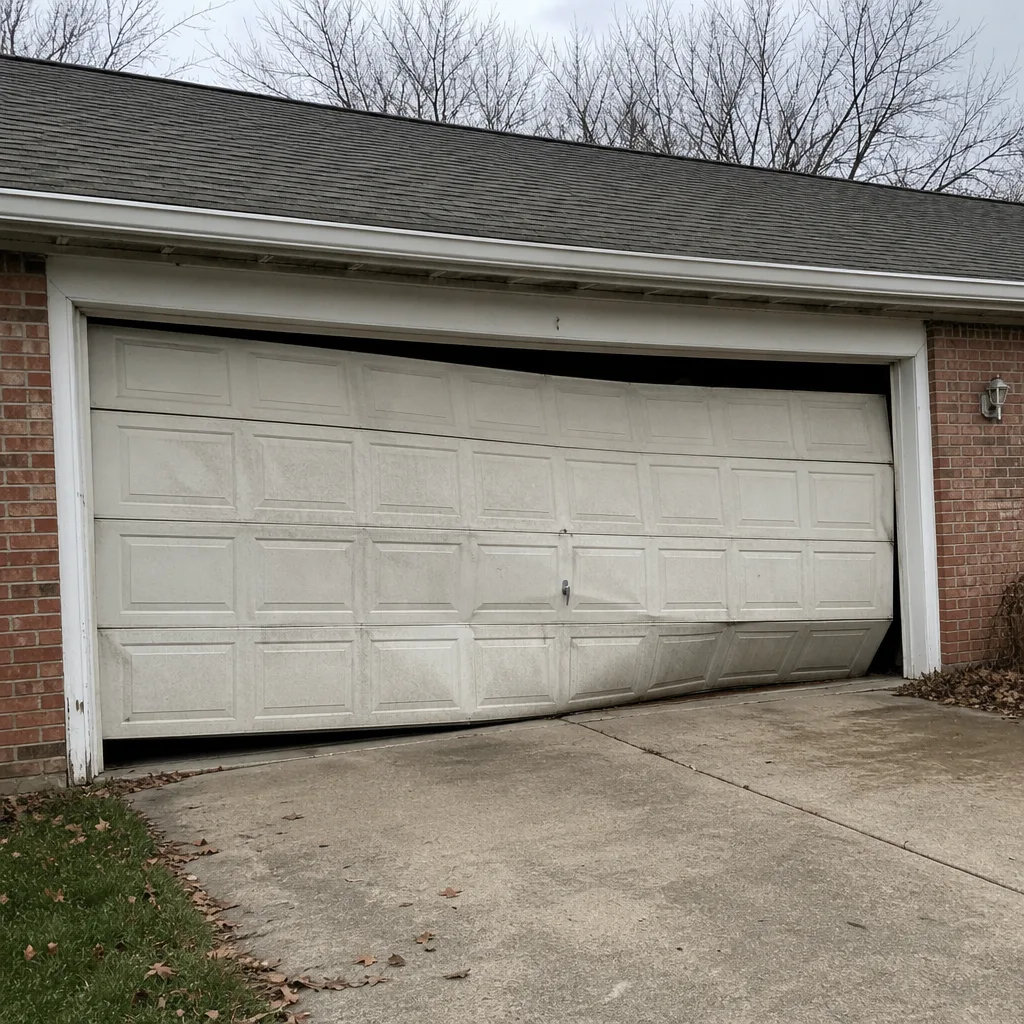 Before
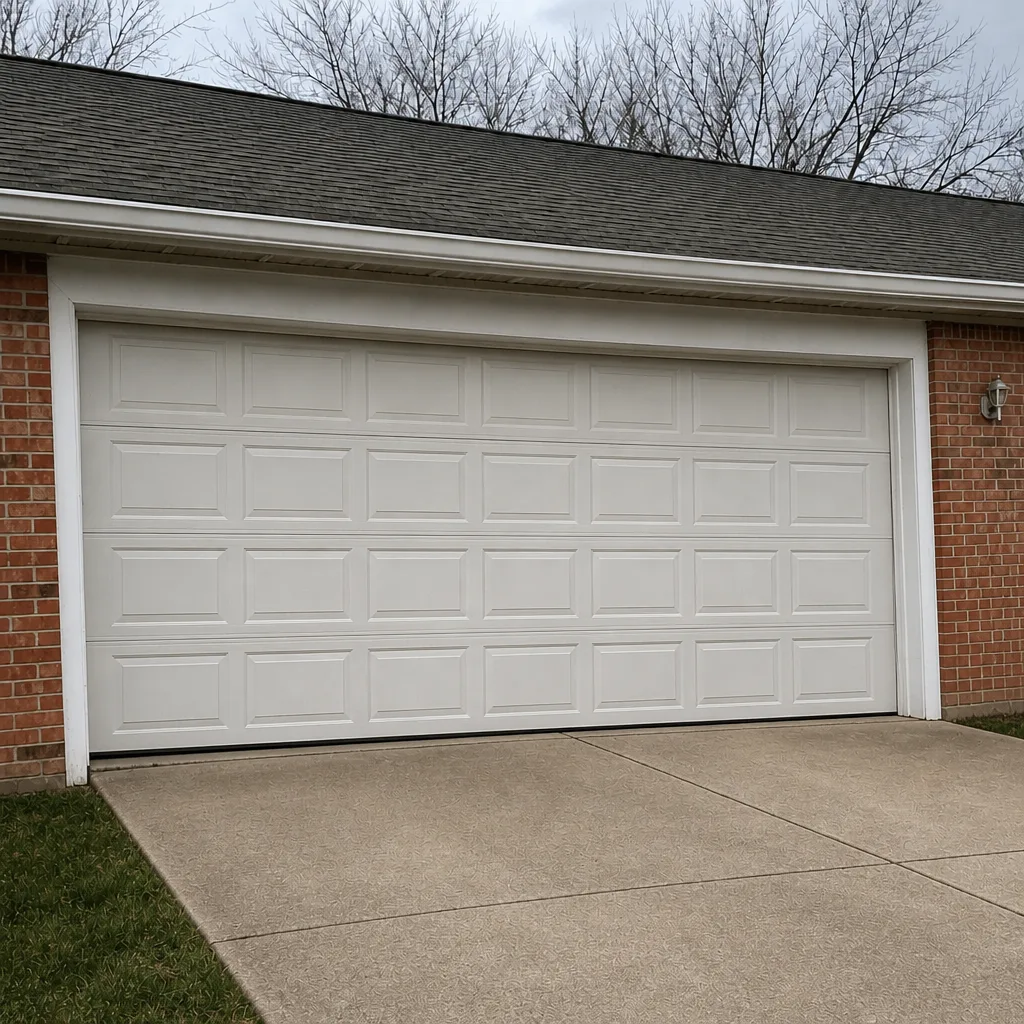 After
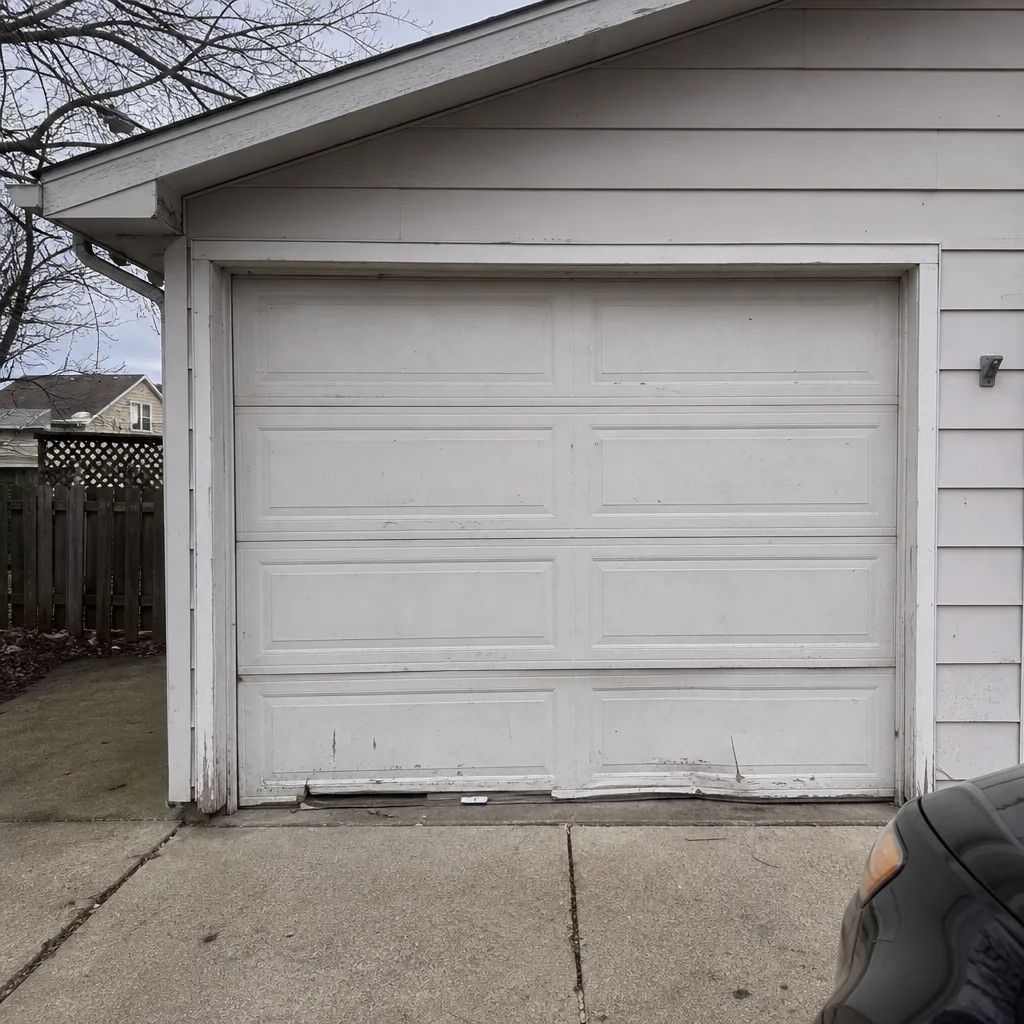 Before
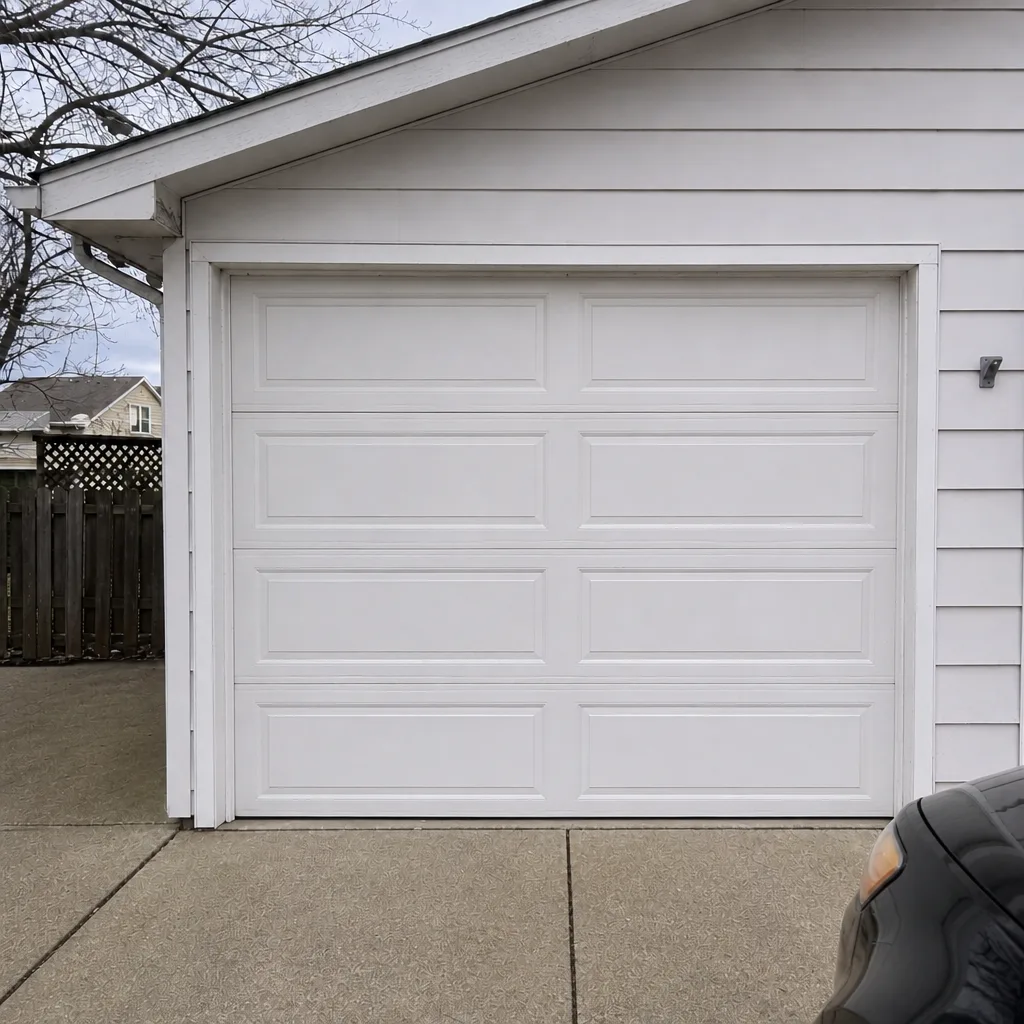 After
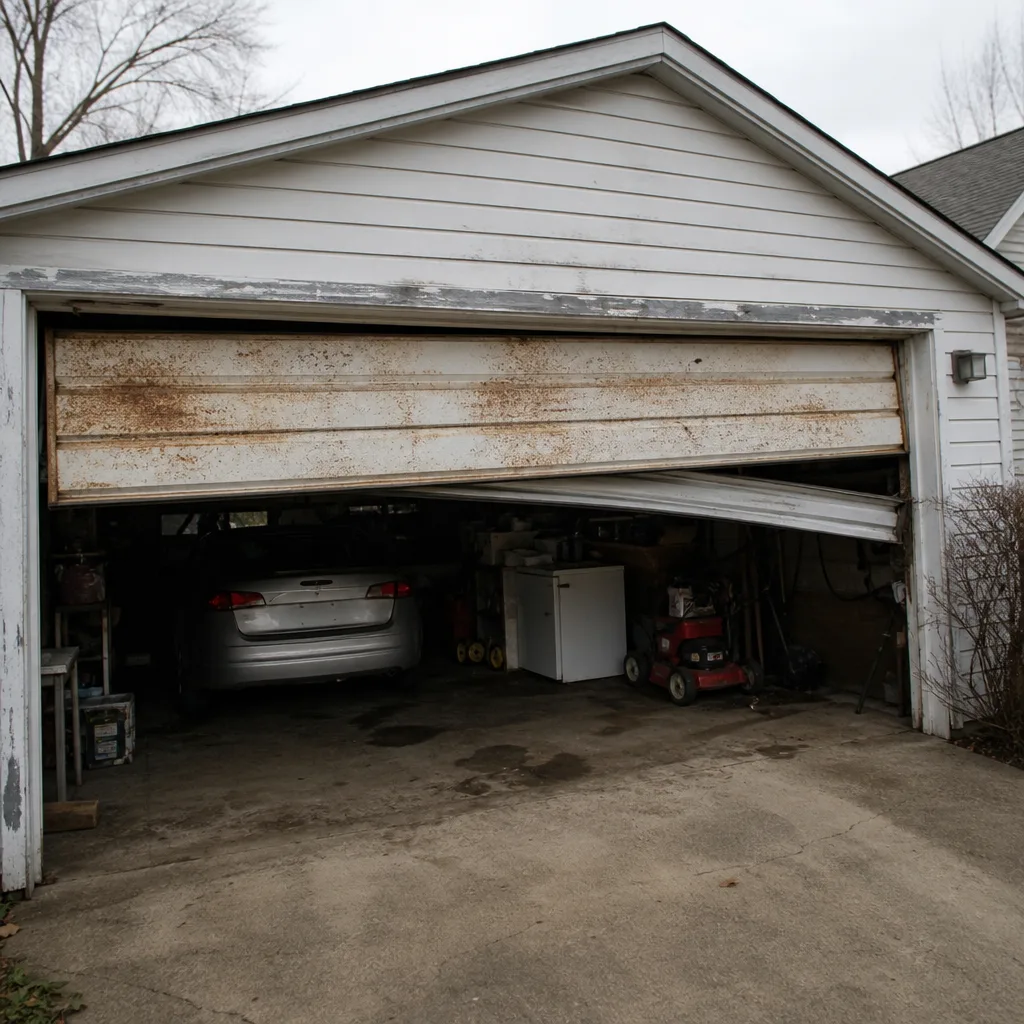 Before
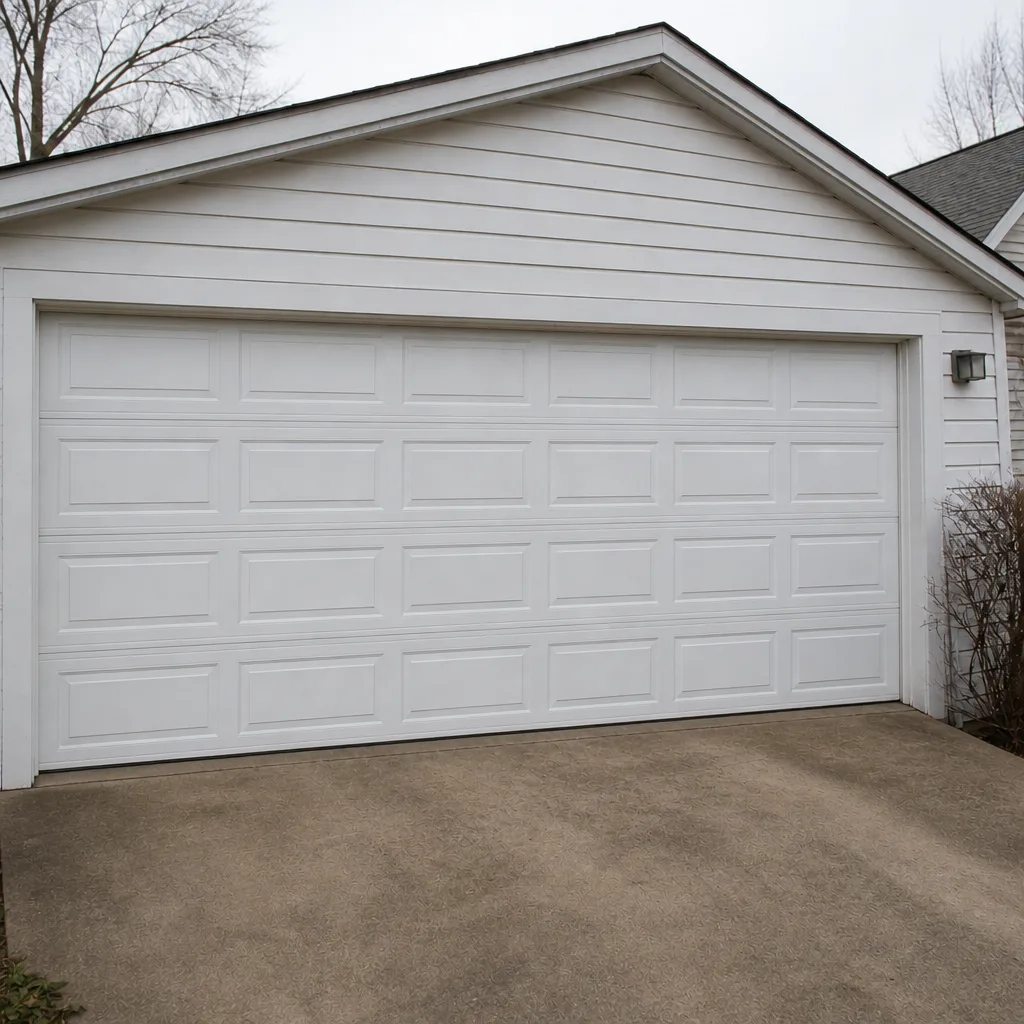 After
When to Call a Professional
Some situations are clear calls. A door that won’t open at all, a spring that’s visibly broken, an opener that’s stopped responding, or a door that’s come off its track. Those are all beyond a homeowner check. So is anything involving the spring system, the cables, or the electrical side of the opener.
Less obvious but just as worth a call: a door that’s started making a new sound, a door that won’t stay balanced in the manual test, a threshold gap that’s letting in cold air, or a wood-composite door that’s catching in the tracks in summer. These are the small signals that, in Grove City’s climate, tend to become bigger repairs if they’re left through another season.
Garage Door Repair Grove City offers free estimates in Grove City. Call (855) 605-4061. We answer 24/7. Fast dispatch from 7am to 7pm, Sunday through Friday. The price is quoted and agreed before any work starts, and the written estimate is what you pay.
Frequently Asked Questions
October is the highest-value month for a tune-up in Grove City, because it’s the last window before the first freeze and it prevents the failures that surface in winter. A March check is the second most valuable, since it catches what winter loosened. The rest of the year is maintenance and watchfulness.
Sticking in winter is usually a bottom seal or threshold gap issue, not cold itself. The freeze-thaw cycle moves the slab slightly, opening a gap at the threshold that lets moisture in and degrades the seal. That sticking is the symptom; the seal is the cause. A technician can confirm and address it.
Yes, for the moving parts: rollers, hinges, and the spring coils (with the door closed and the opener disconnected). Do not lubricate the tracks themselves, since grease attracts dirt and increases friction. Stay away from the spring system’s tension adjustments, which are a technician job regardless of experience level.
A torsion spring with a visible gap in the coils, a door that won’t stay open in the manual balance test, or a loud bang followed by a door that won’t lift are all signs. Never try to inspect the spring under tension yourself; call a technician. Spring repair is one of the more dangerous garage door services, and it’s worth having a specialist handle it.
It can be either, but it should be checked. Humid Ohio summers cause wood-composite panels to swell, and the swelling can throw the door slightly out of alignment. If it’s mild and resolves in cooler weather, it may be seasonal. If it’s catching, grinding, or straining the opener, it’s worth a call, because unaddressed swelling tends to leave the door out of alignment by fall.
The core checks are the same, but older openers have less ability to compensate for a door that’s running stiff or slightly out of alignment. A modern LiftMaster or Chamberlain with smart-home compatibility can alert you to a problem; a legacy Craftsman requires you to notice it. Both benefit from the same October lubrication and balance check.
The Bottom Line
Grove City’s four-season climate gives a garage door four distinct stress cycles a year, and the damage from one cycle is usually what causes the failure in the next. The fix isn’t a single repair; it’s working one season ahead: October tune-up before the freeze, seal and threshold check in winter, hardware check in spring, humidity management in summer. The spring that breaks in February started failing in October, and the door that sticks in January had a floor gap in November. Knowing the chain lets you interrupt it. That’s the difference between reactive repairs and a door that keeps working year-round.
*Written by the team at Garage Door Repair Grove City.*